Exploring Material Science: Why PC+Silicone Cases Excel in Drop Protection
Not all tablet cases are created equal. In particular, the material composition of a case greatly impacts its performance during drop incidents.
This article explores why combinations like PC+Silicone tablet cases consistently outperform single-material designs in real-world protection tests.
The Physics Behind Impact Absorption
When a tablet falls, the energy from the drop must be dispersed.
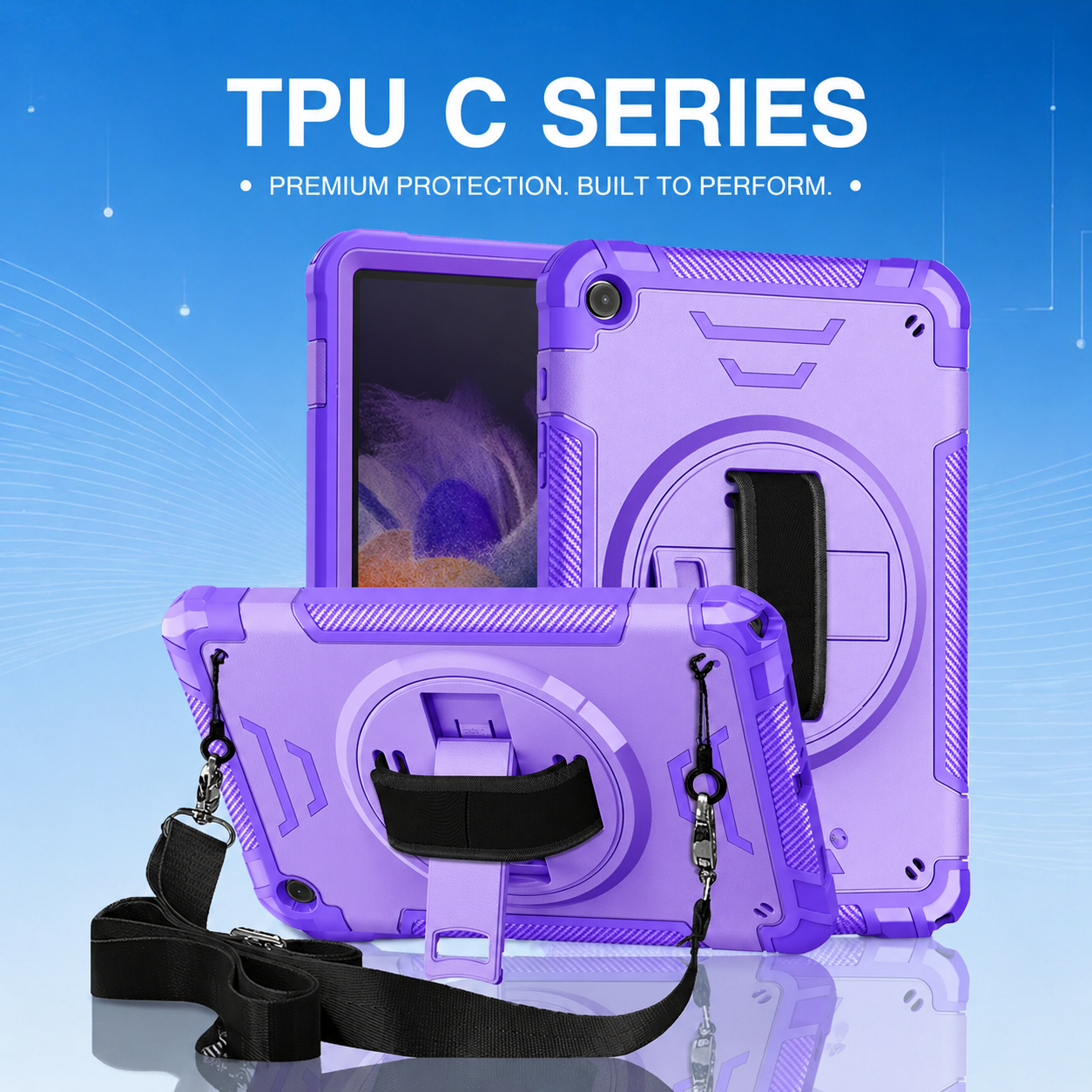
A typical TPU tablet case absorbs some impact, but its uniform elasticity may not be enough to shield vulnerable components, especially in edge or corner hits.
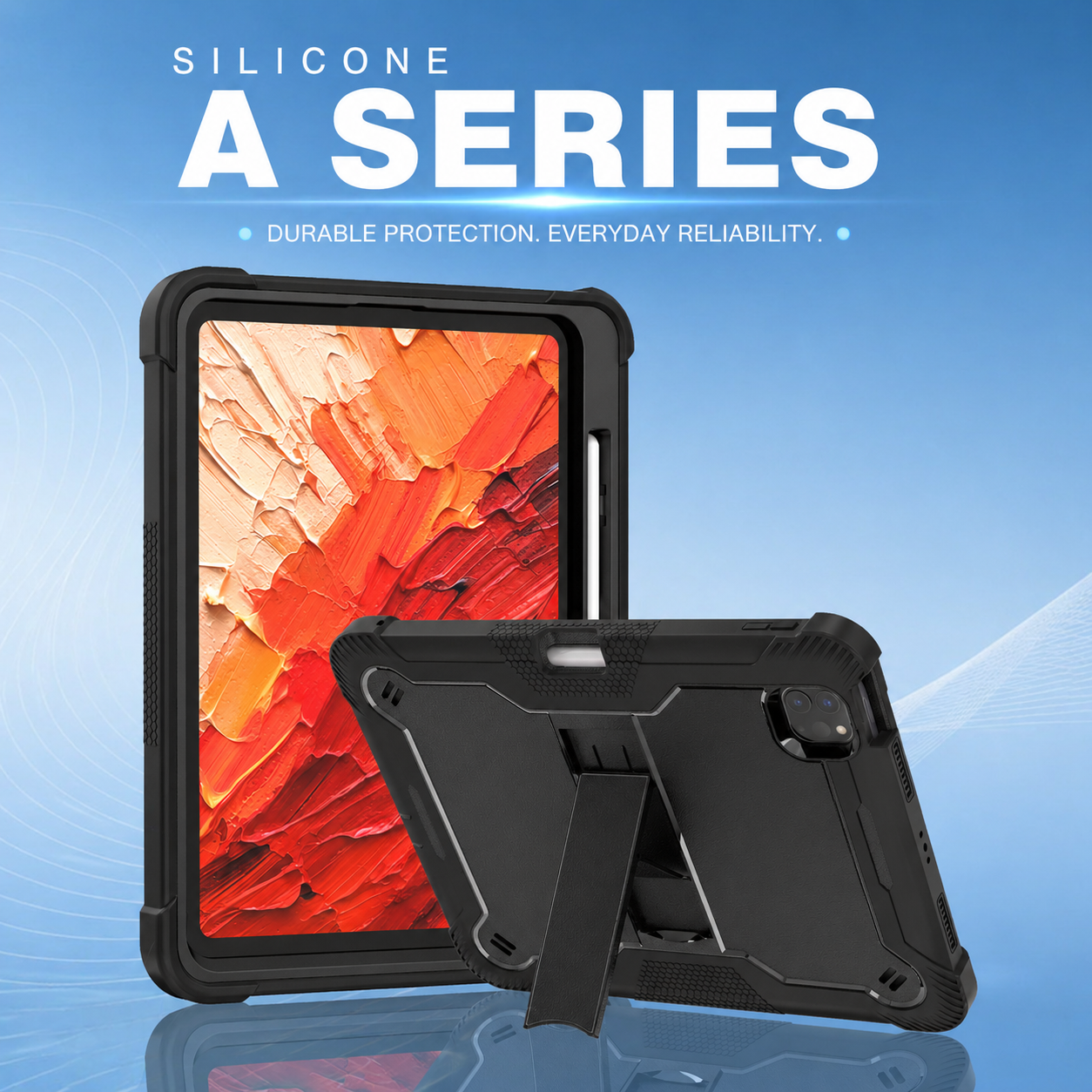
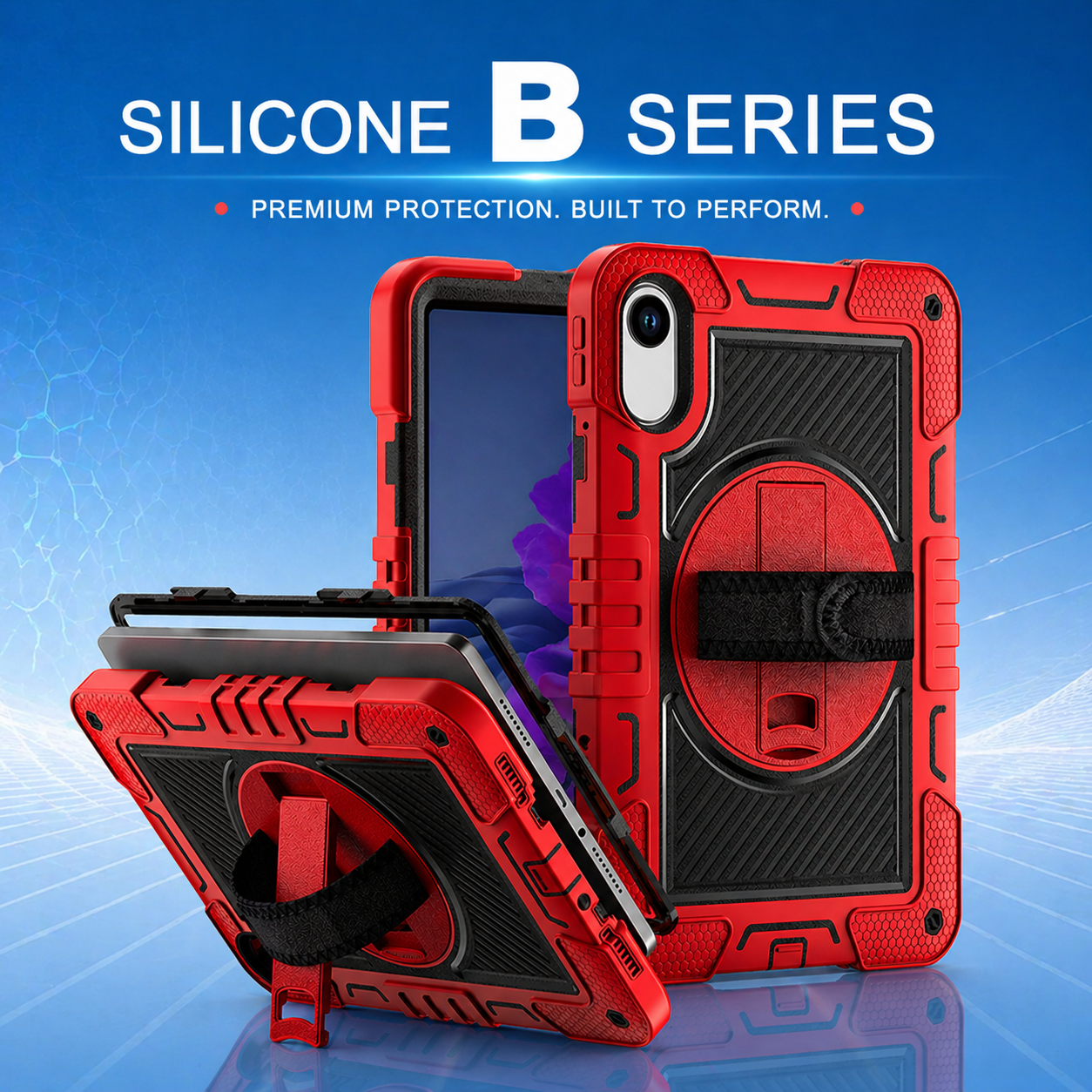
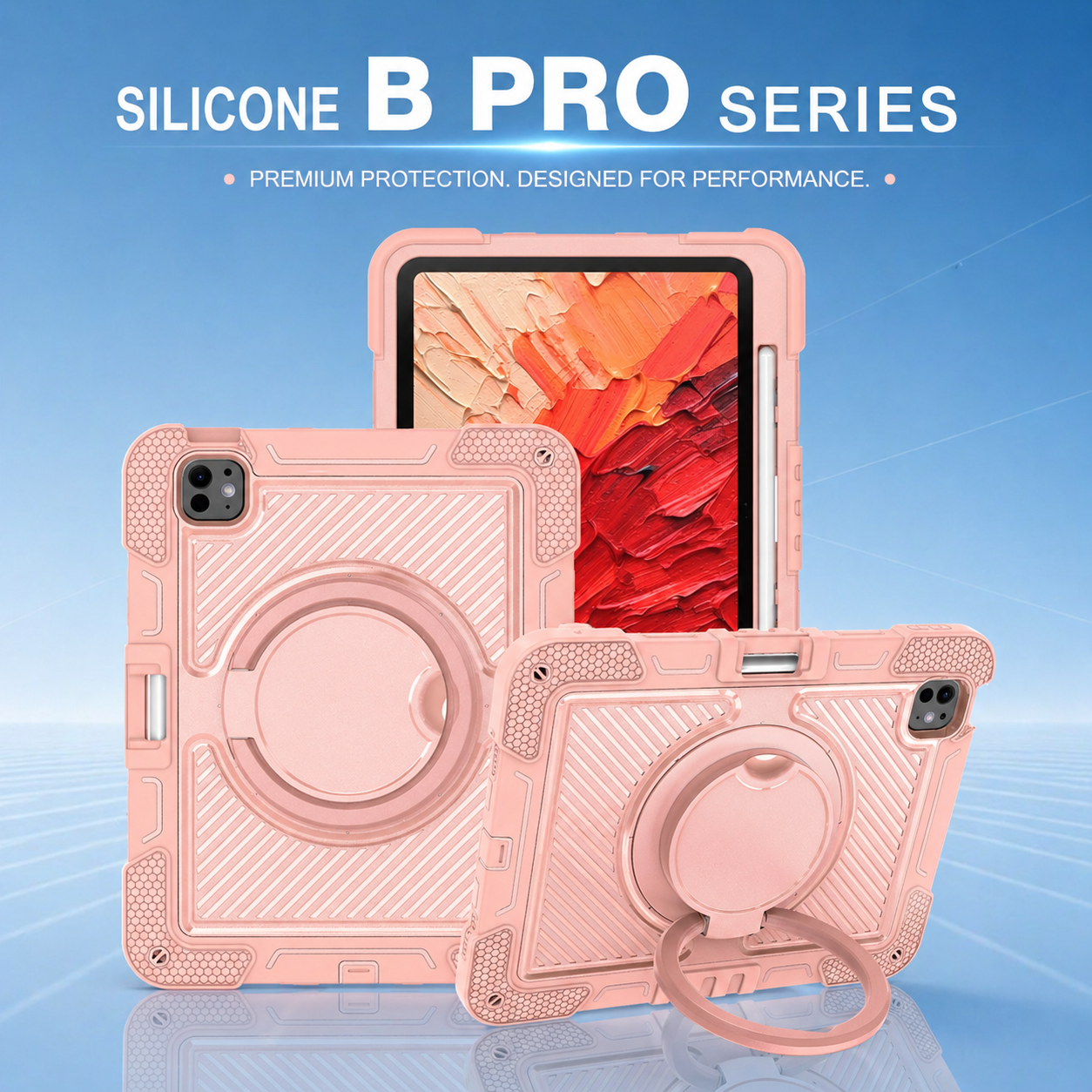
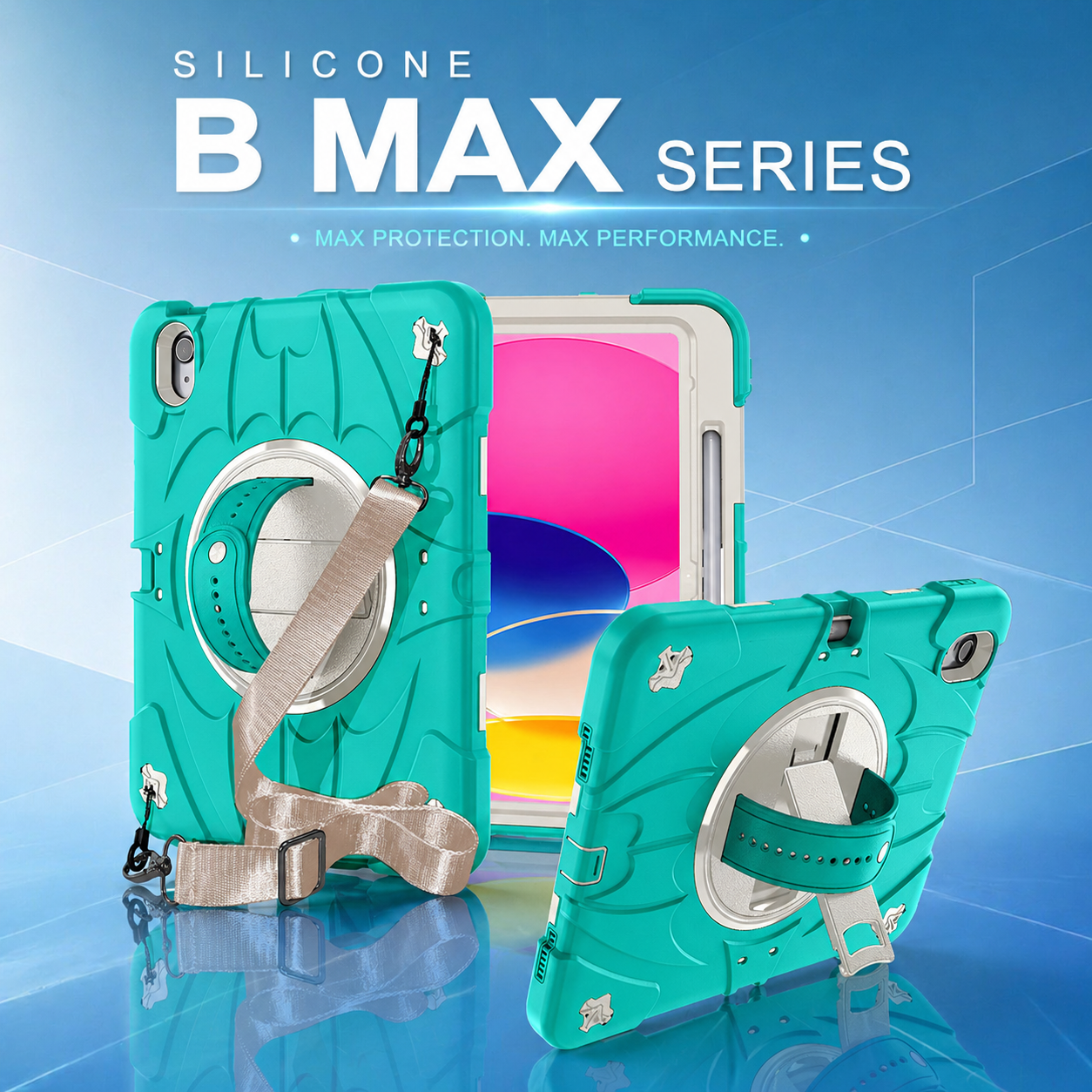
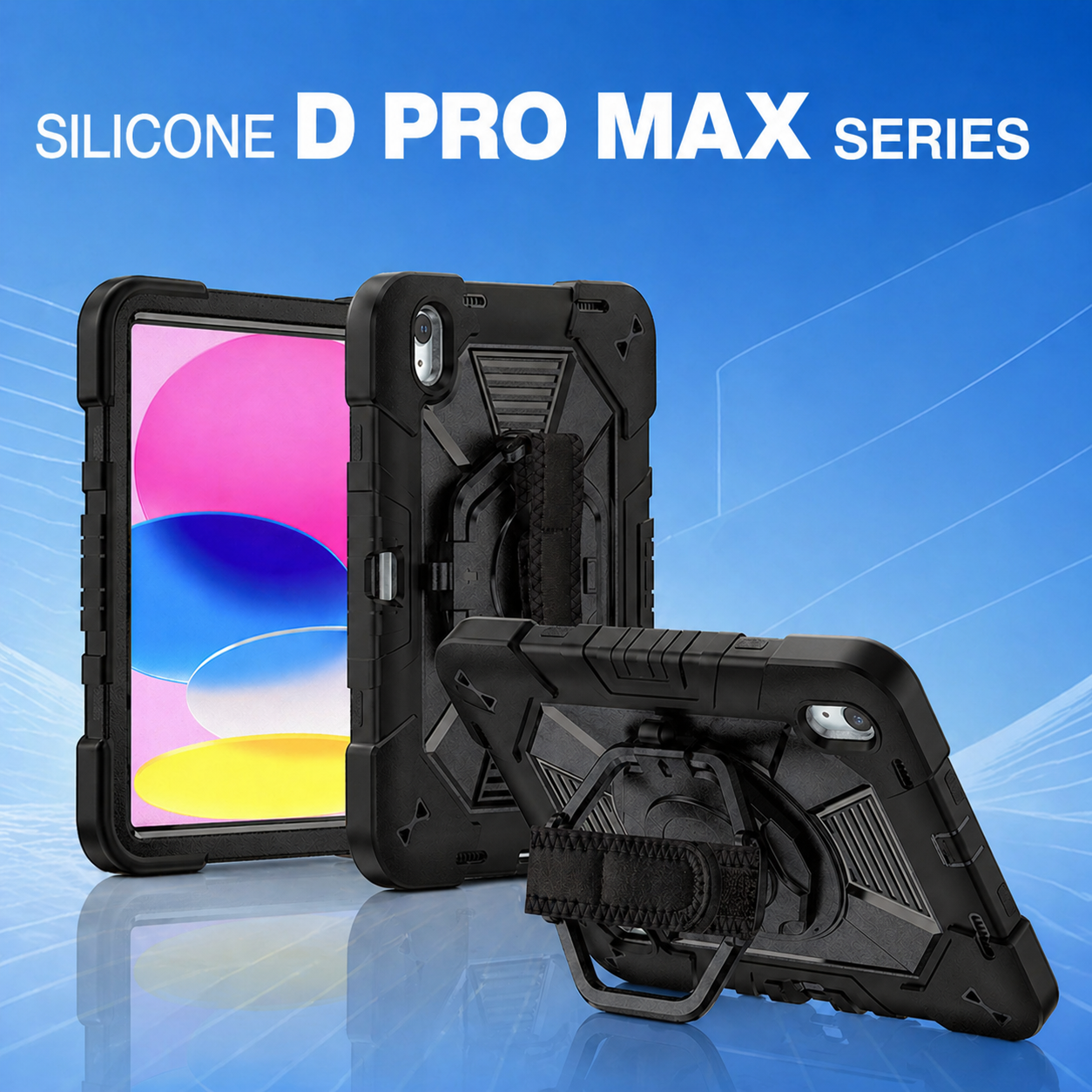
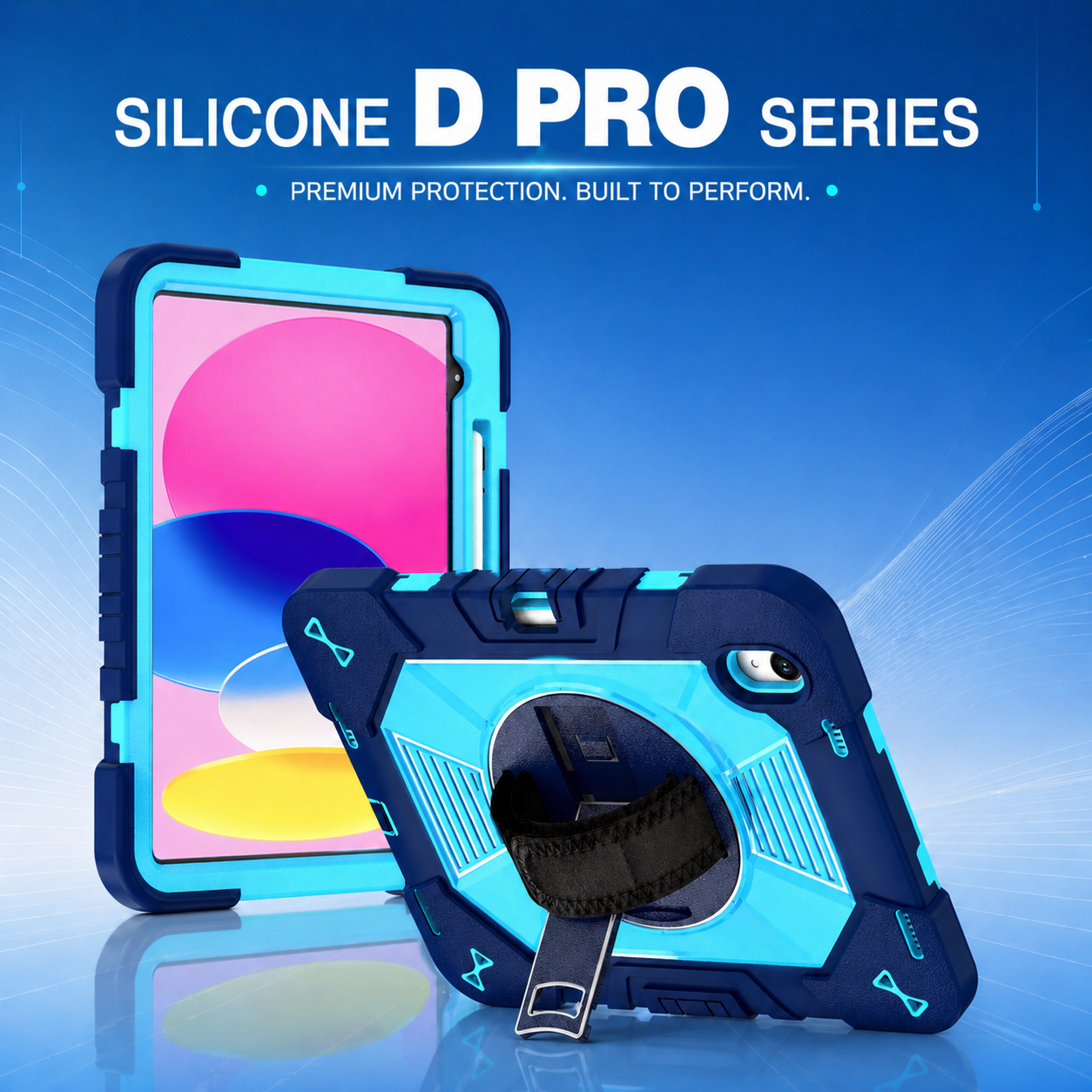
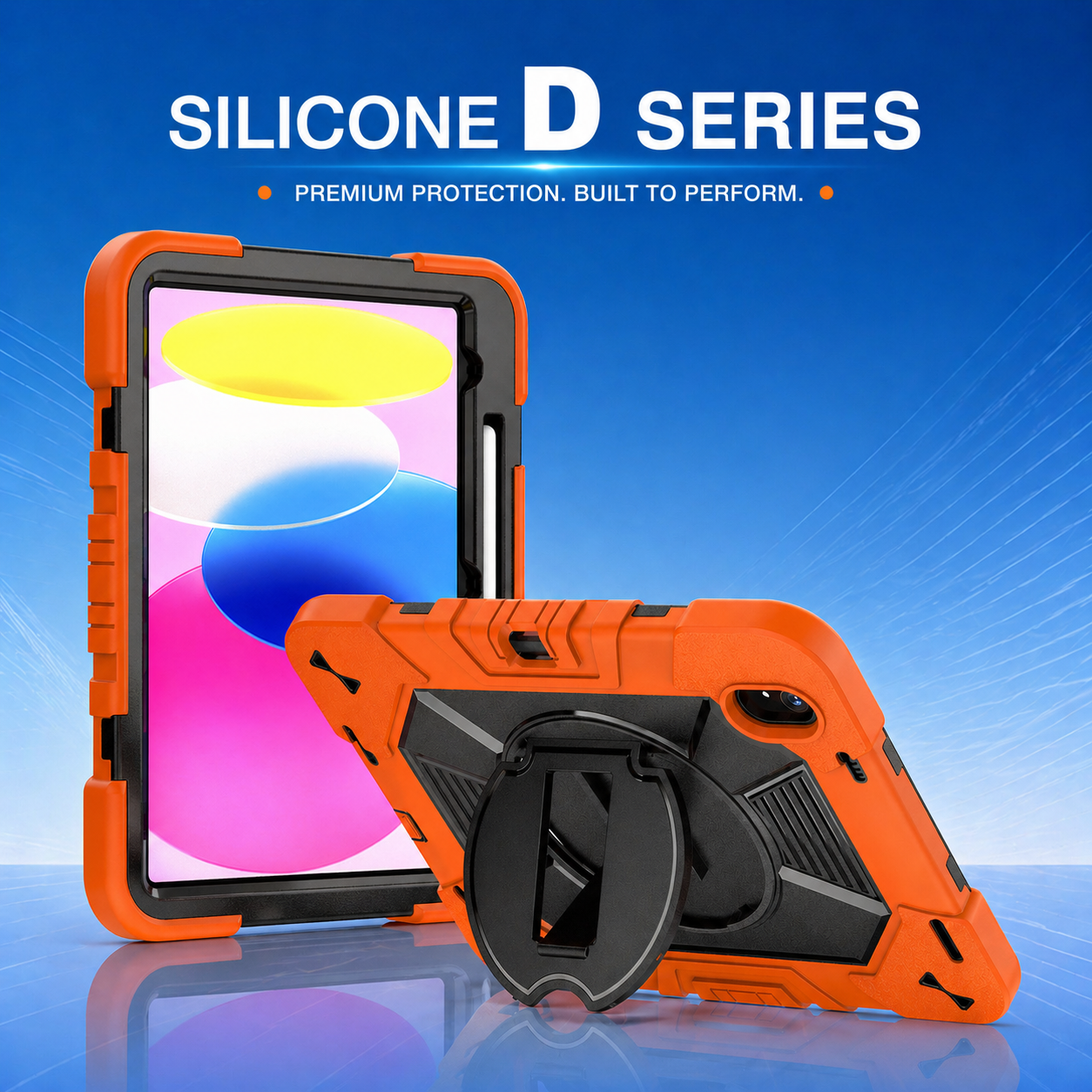
By contrast, PC+Silicone tablet cases leverage the hardness of polycarbonate (PC) with the cushioning effect of silicone.
PC acts as a durable shell, preventing penetration or cracking, while silicone softens the shockwaves — a perfect synergy.
Multi-Layer Advantage
Advanced designs like the 3 layers heavy duty rugged tablet case go a step further. These cases typically include:
A hard polycarbonate outer shell
A silicone shock-absorbing inner lining
Sometimes, an added foam or rubber core
Such layering disperses the impact force across multiple materials, drastically lowering damage risk. This construction explains why these models consistently pass 1.8m drop tests.
Practical Implications
In both home and educational use, tablets endure unpredictable handling. From kids tossing devices into bags to accidental desk drops, the right case matters.
When combined with a multi angle kickstand tablet case, the case not only adds usability but also reinforces the case's backplate for improved drop performance.
Consumers should also consider the tactile benefits of silicone, which adds grip and reduces slippage, especially valuable for younger users or field professionals.






.png)
.png)
.png)