- 1
- BLACKL
- TABLETAPPLE iPad Mini 8NEW iPad A16(2025) iPad 10.9" 10th (2022) iPad 10.2" (7th/8th/9th) iPad Air 13" (M2/M3/M4)(2024/2025/2026)NEW iPad Air 11" (M2/M3/M4)(2024/2025/2026)NEW iPad Mini 8.3" (A7 Pro/6th Gen) iPad Pro13"(M4/M5)(2024/2025) iPad Pro11"(M4/M5)(2026) iPad 9.7" (5th/6th Gen) iPad Pro 12.9"(2018-2022) iPad Pro 11"(2018-2022) iPad 9.7"(2th/3th/4th) iPad Air 10.9"(4th/5th Gen) iPad Mini 7.9"(4th/5th Gen)SAMSUNG Galaxy Tab A11 Galaxy Tab A11 Plus Galaxy Tab S11 Galaxy Tab S12 PlusNEW Galaxy Tab S12 UltraNEW Galaxy Tab A9+ Galaxy Tab A9 Galaxy Tab A8 Galaxy Tab A7 Galaxy Tab A7 Lite Galaxy Tab S11 Ultra/S10 Ultra/S9 Ultra/S8 Ultra Galaxy Tab S10+/S9+/S9 FE+ Galaxy Tab S10Lite/S10 FE/S9 FE/S9 Galaxy Tab S8+/S7+/S7 FE Galaxy Tab S8/S7 Galaxy Tab S6 lite Galaxy Tab A10.1 Galaxy Tab A8.4 Galaxy Tab A8.0 Galaxy Tab S10 FE+LENOVO iDea tab 11/Tab K11 Gen 2 /Xiaoxin Pad 11 2025 Lenovo Tab K9 (Tab One) 2025 Lenovo Tab M10 10.1"(2025) Lenovo Tab M10 Plus 10.6" (3rd Gen) Lenovo Tab M10 HD 10.1" (3rd Gen) Lenovo K10/M10 Plus 10.3" (2nd Gen) Lenovo Tab M10 HD 10.1" (2nd Gen)XIAOMI Redmi Pad 2 9.7 InchNEW Xiaomi Pad8/8Pro 11.2" Redmi Pad2/Pad2.4G Xiaomi Pad 6/6 Pro 11" Redmi Pad 10.61" Redmi Pad Se 11" Redmi pad Se 4G 8.7" Xiaomi Pad7/7 Pro 11.2" Redmi Pad Pro/Xiaomi Poco Pad/Redmi Pad2 Pro 12.1HUAWEI Huawei Matepad Se 10.4" Huawei Matepad 11" Huawei Matepad 11.5" Huawei Matepad SE 11" Huawei Matepad T8 8" Huawei Matepad T10 9.7"
- CATEGORIES
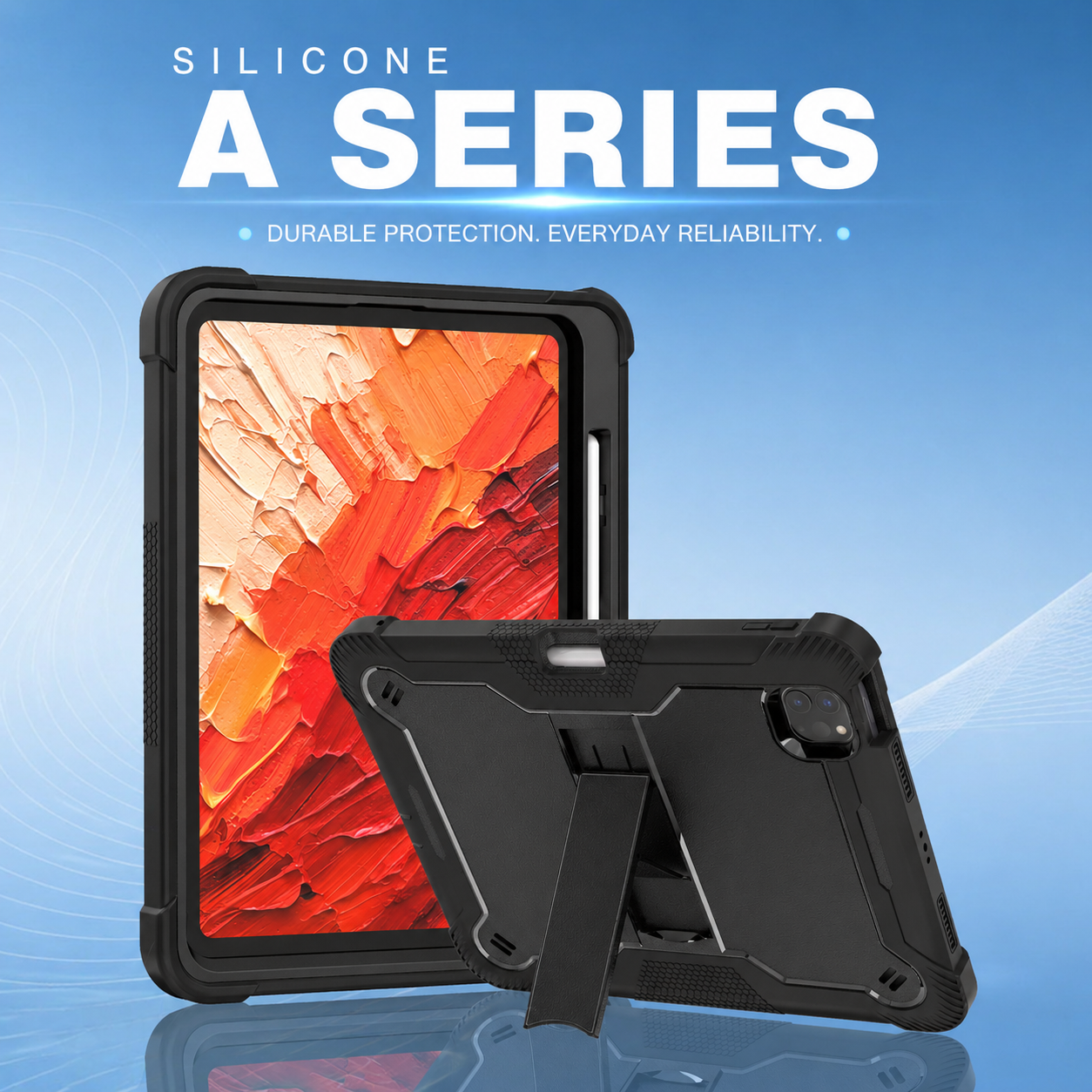
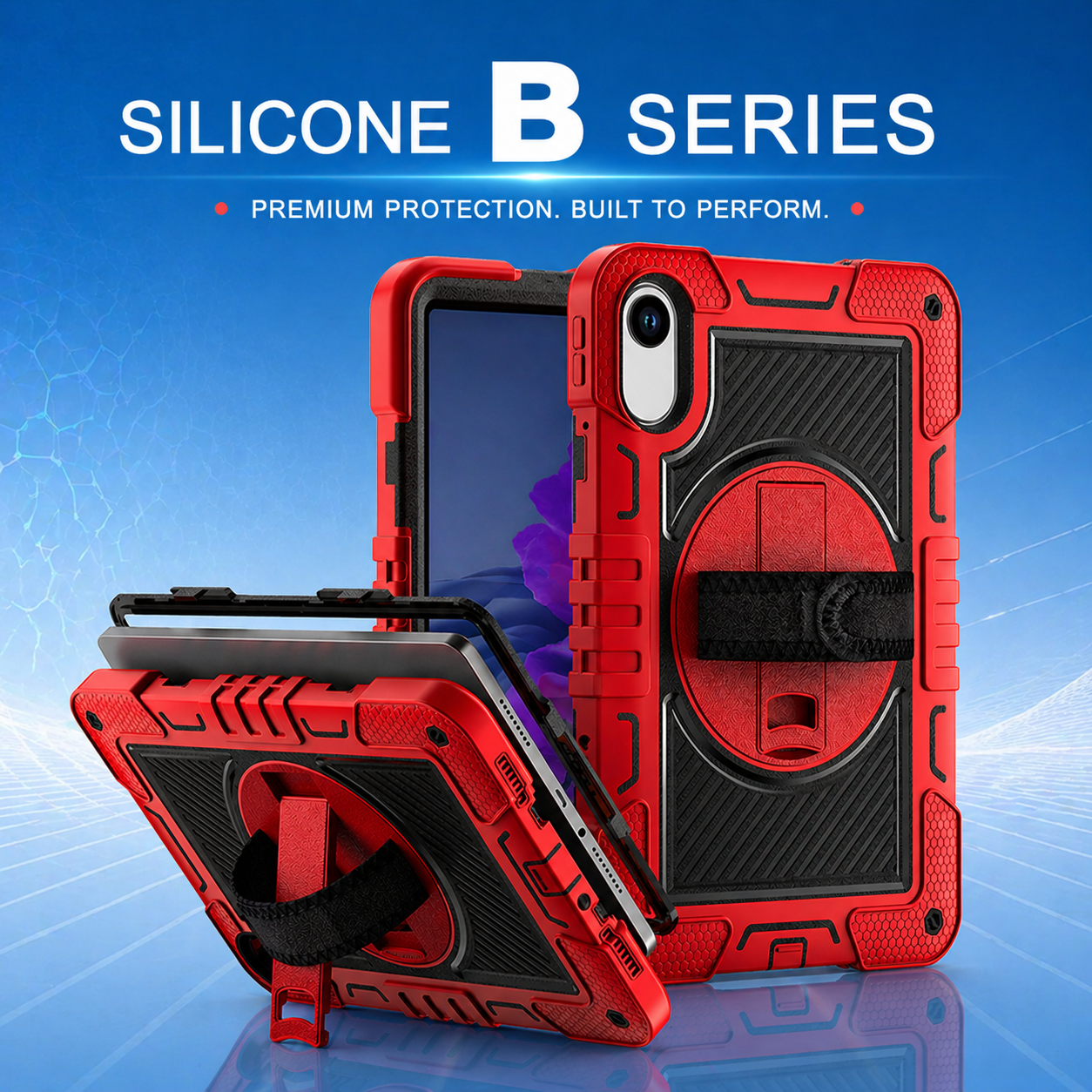
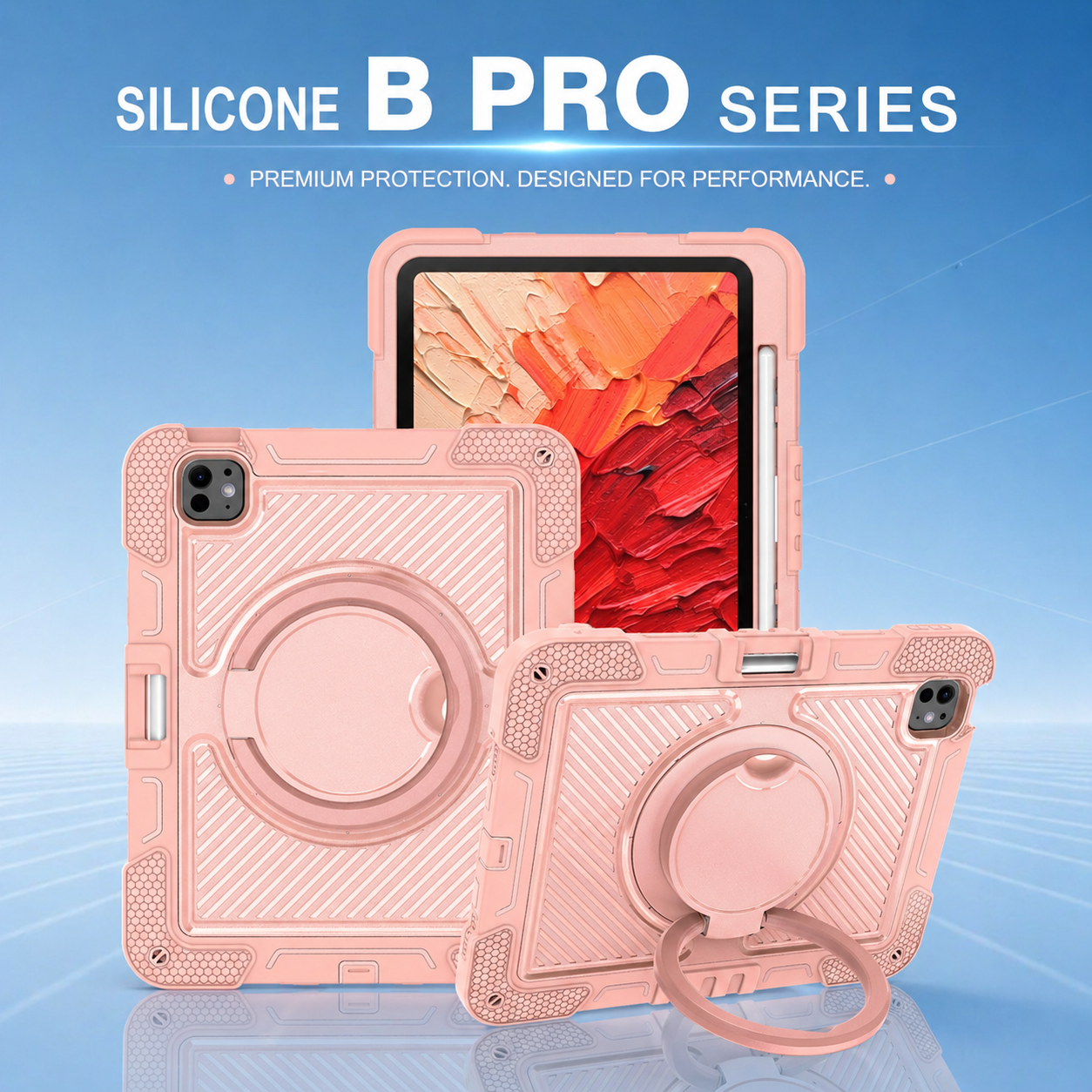
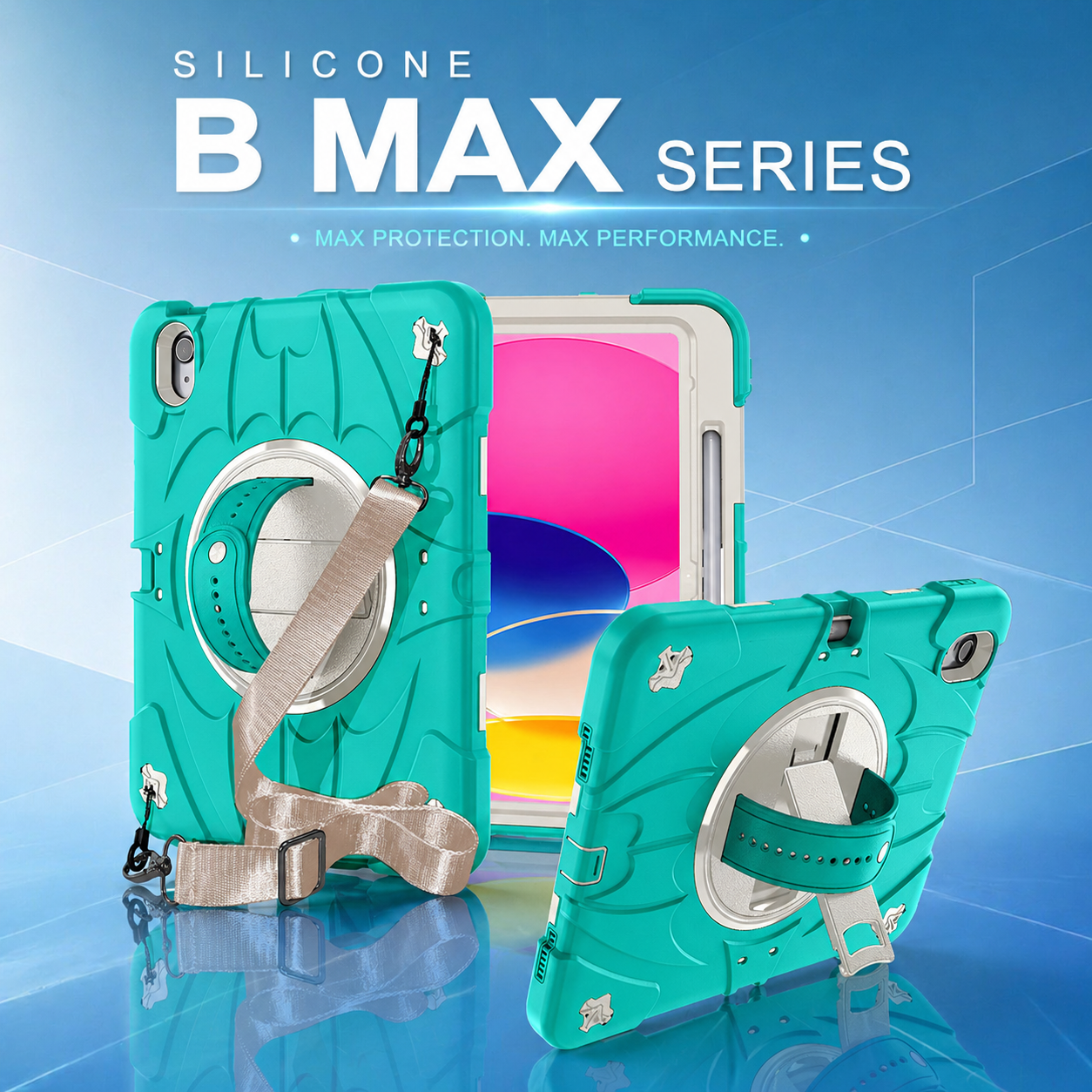
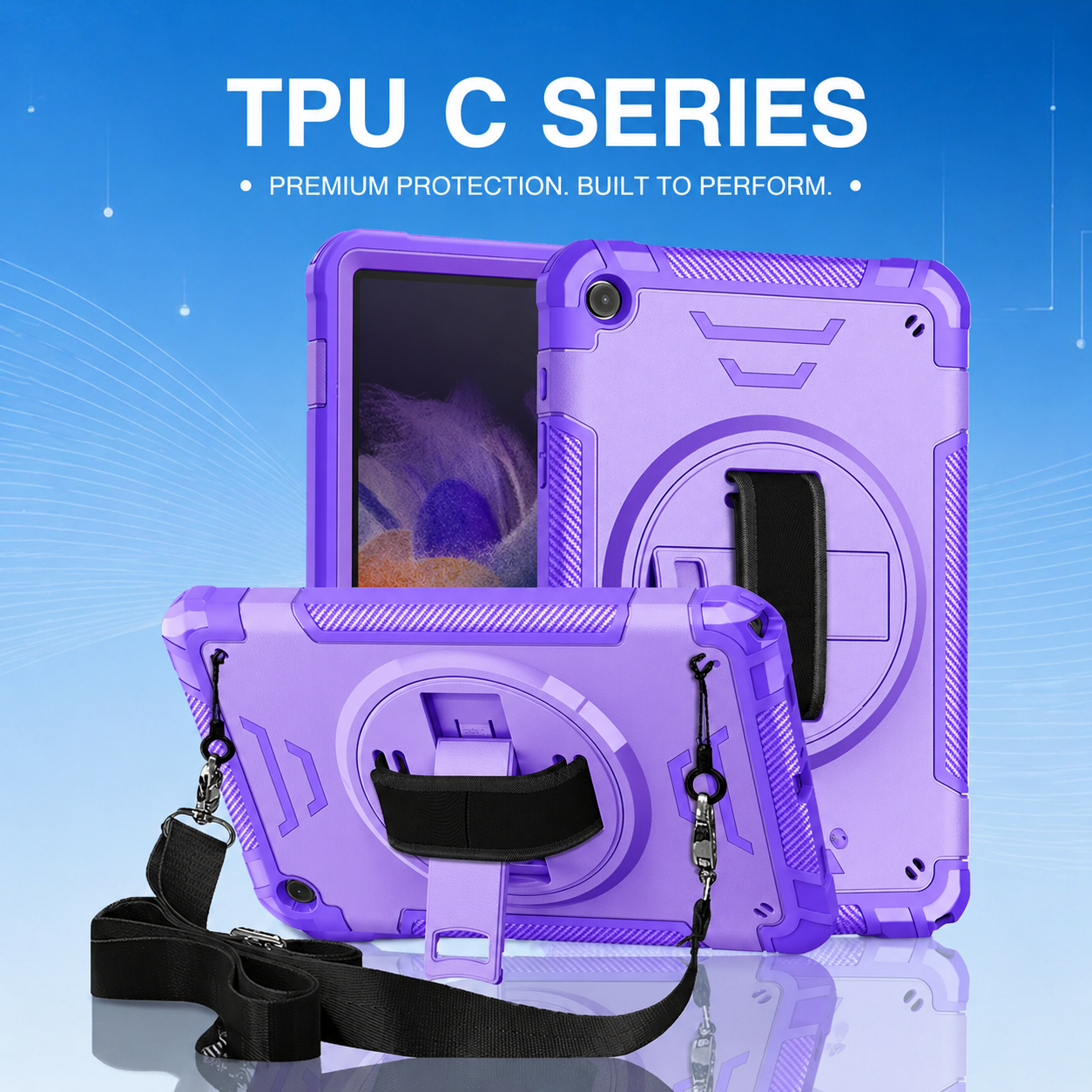
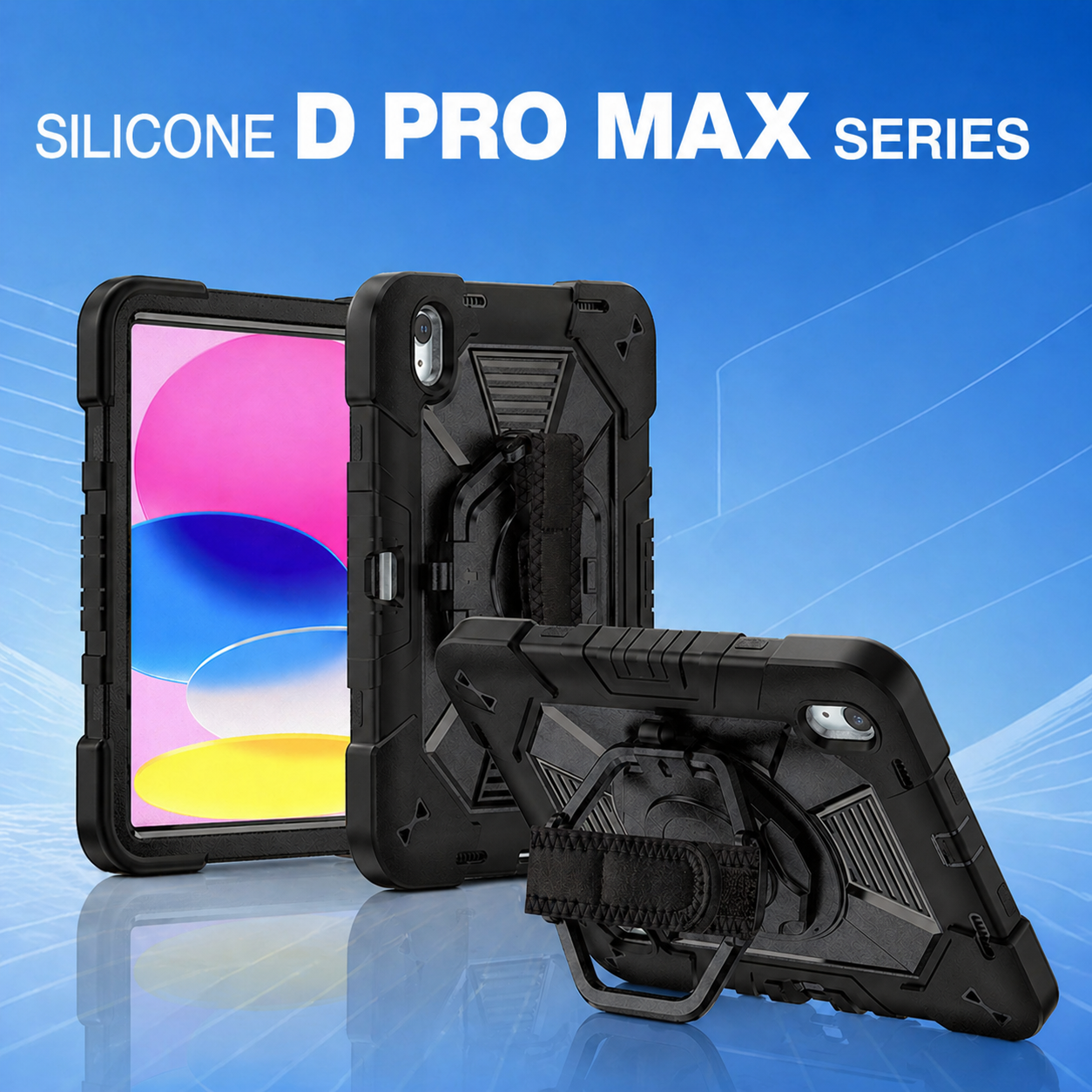
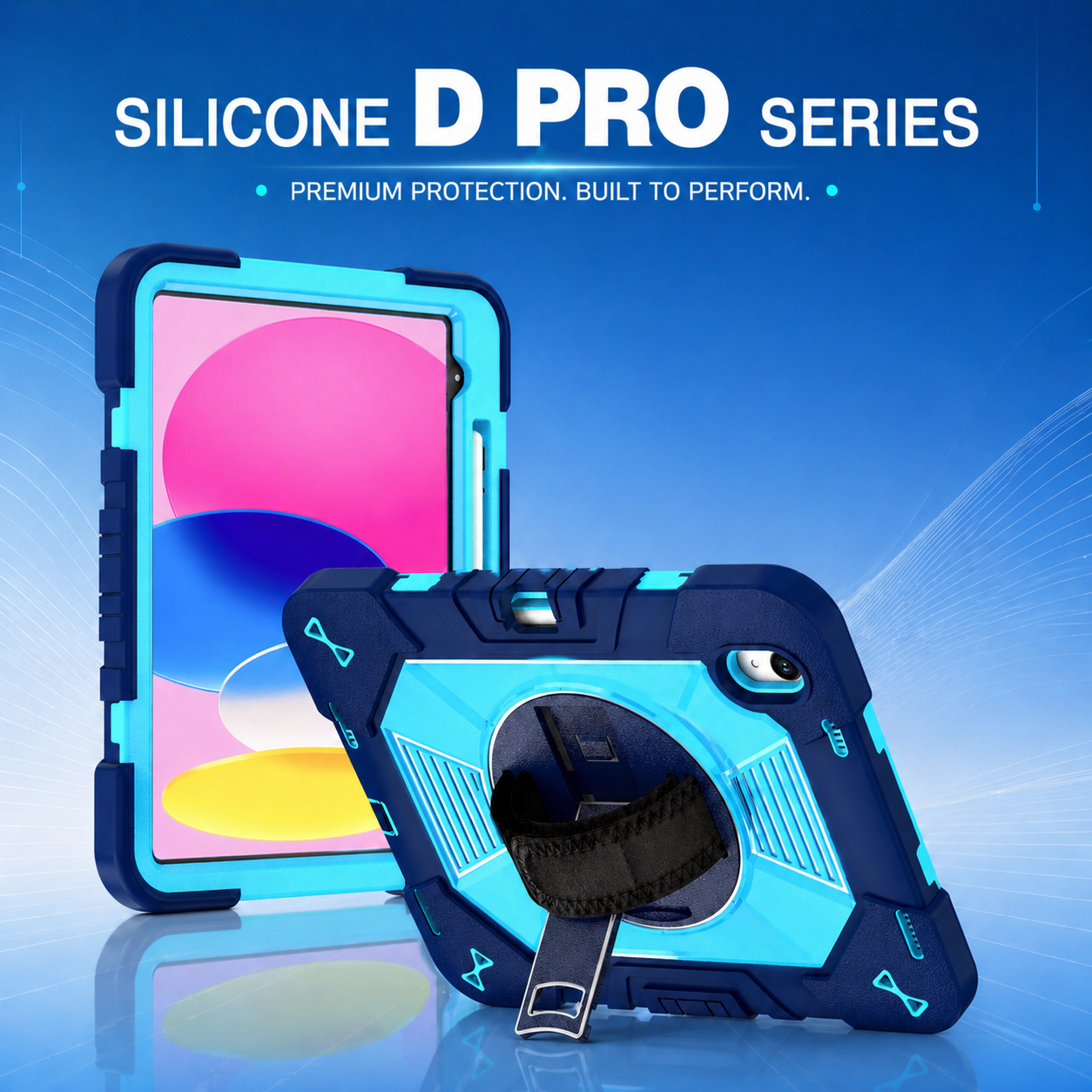
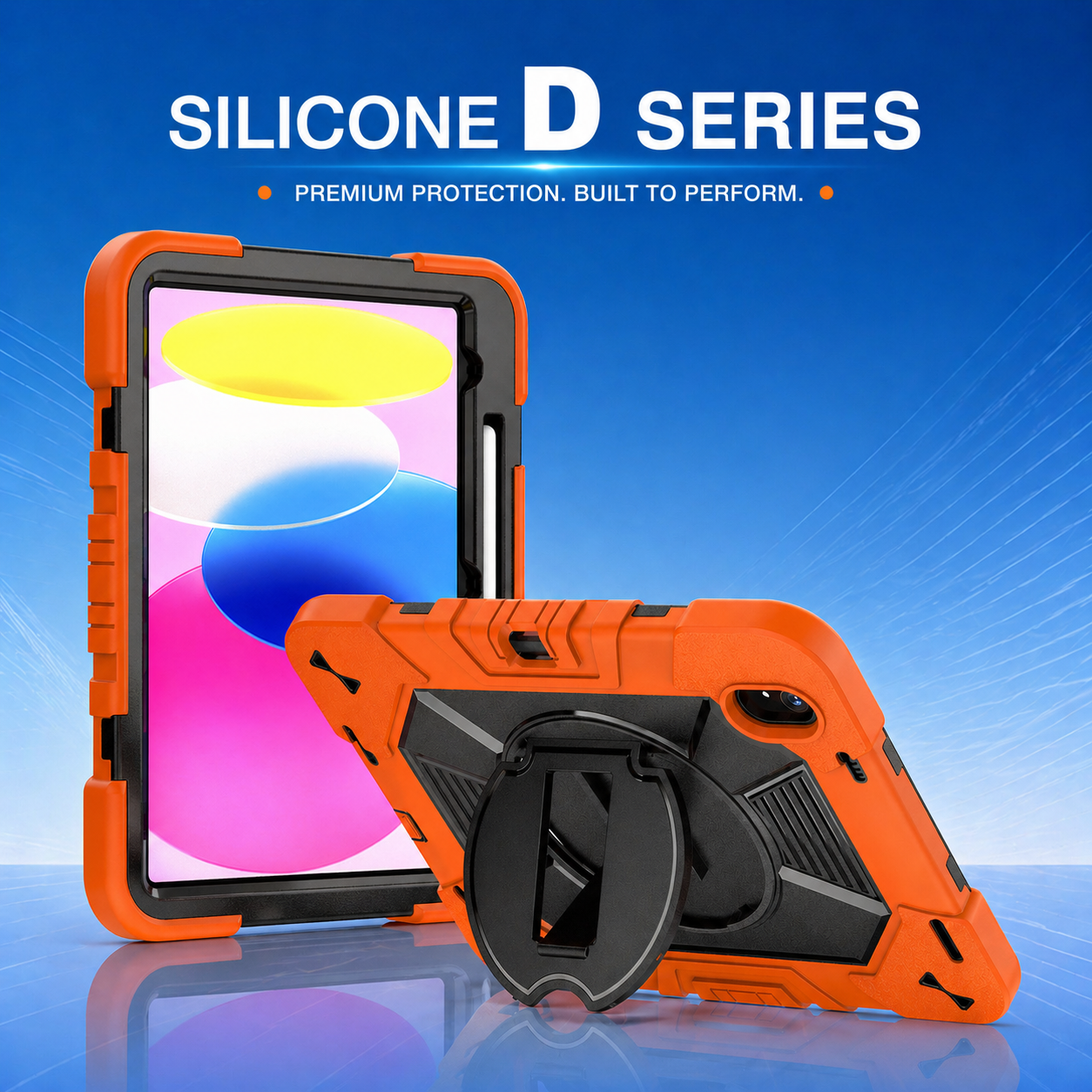

Buying a shockproof tablet case should go beyond just style and color. To truly protect your device, look for these five critical features. Many cases in the market claim to be protective, but only a few deliver on their promises. Whether you're a parent, a field technician, or a student, knowing what to look for can make all the difference.
1. Reinforced Corners
Most tablet damage occurs at the corners during accidental drops. Reinforced corners are the first line of defense in a true shockproof tablet case. These areas are often built with air-cushion technology or additional silicone padding to absorb impact and prevent damage.
For example, cases with “air guard” bumpers can disperse the shock from a fall more effectively than standard shells. In environments like schools or work sites, where devices are handled frequently and less carefully, this feature is indispensable.
2. Dual Material Construction
The best shockproof tablet cases use a hybrid material design, typically combining hard polycarbonate for structure and thermoplastic polyurethane (TPU) for shock absorption. This dual-layer build ensures that the exterior deflects impact while the interior cushions your device.
A solid outer shell resists scratches, dents, and crushing forces, while the inner layer acts like a shock absorber. Some premium cases even add a foam lining for added softness. This construction provides a balance of rigidity and flexibility that is ideal for real-world use.
3. Raised Edges for Screen and Camera Protection
A common oversight in cheap cases is the lack of raised bezels. When a device falls face-down, raised edges prevent the screen and camera lens from hitting the ground directly. Look for at least 1.5mm of elevation around the front and back openings.
Some shockproof tablet cases also include a built-in screen protector or tempered glass panel. This combination gives full 360-degree protection, especially useful for kids or mobile workers using tablets outdoors or in unpredictable environments.
4. Certified Drop Protection
Marketing terms like “shockproof” or “rugged” mean little without testing. Always check if the case meets industry standards like MIL-STD-810G, a military-grade drop test that ensures the device can withstand multiple drops from about 4 feet.
Cases that pass this certification have been tested for impact, vibration, and temperature resistance. This makes them suitable for use in construction, healthcare, logistics, and even educational settings where durability is essential. Without such certification, protection is just a promise, not a fact.
5. Secure Grip and Ergonomic Design
Even the toughest case won’t help if it slips from your hands. A shockproof tablet case should include textured surfaces or built-in grip features. Rubberized or silicone finishes not only feel better in hand but also reduce the risk of dropping your tablet.
Some models even include ergonomic hand straps, shoulder straps, or rotating stands. These are incredibly helpful in classrooms or for professionals who need to carry the tablet around all day. For example, delivery drivers using navigation apps benefit from cases with a secure grip and car mount compatibility.
Bonus Tip: Functional Add-ons Without Compromise
Advanced cases now incorporate smart features like pencil holders, kickstands, and magnetic covers without sacrificing durability. Make sure any add-ons don't weaken the structural integrity. Look for designs where accessories are integrated, not just glued on.
For instance, a stylus loop should be embedded into the case body, not simply attached with elastic, which can wear out. Also, stands should lock securely and not collapse easily when in use.






.png)
+86 13422271740
.png)
info@tongmeitech.com
.png)
No. 34, Mashe Section, Guihe Road, Lishui Town, Foshan, Guangdong, China