- 1
- BLACKL
- TABLETAPPLE iPad Mini 8NEW iPad A16(2025) iPad 10.9" 10th (2022) iPad 10.2" (7th/8th/9th) iPad Air 13" (M2/M3/M4)(2024/2025/2026)NEW iPad Air 11" (M2/M3/M4)(2024/2025/2026)NEW iPad Mini 8.3" (A7 Pro/6th Gen) iPad Pro13"(M4/M5)(2024/2025) iPad Pro11"(M4/M5)(2026) iPad 9.7" (5th/6th Gen) iPad Pro 12.9"(2018-2022) iPad Pro 11"(2018-2022) iPad 9.7"(2th/3th/4th) iPad Air 10.9"(4th/5th Gen) iPad Mini 7.9"(4th/5th Gen)SAMSUNG Galaxy Tab A11 Galaxy Tab A11 Plus Galaxy Tab S11 Galaxy Tab S12 PlusNEW Galaxy Tab S12 UltraNEW Galaxy Tab A9+ Galaxy Tab A9 Galaxy Tab A8 Galaxy Tab A7 Galaxy Tab A7 Lite Galaxy Tab S11 Ultra/S10 Ultra/S9 Ultra/S8 Ultra Galaxy Tab S10+/S9+/S9 FE+ Galaxy Tab S10Lite/S10 FE/S9 FE/S9 Galaxy Tab S8+/S7+/S7 FE Galaxy Tab S8/S7 Galaxy Tab S6 lite Galaxy Tab A10.1 Galaxy Tab A8.4 Galaxy Tab A8.0 Galaxy Tab S10 FE+LENOVO iDea tab 11/Tab K11 Gen 2 /Xiaoxin Pad 11 2025 Lenovo Tab K9 (Tab One) 2025 Lenovo Tab M10 10.1"(2025) Lenovo Tab M10 Plus 10.6" (3rd Gen) Lenovo Tab M10 HD 10.1" (3rd Gen) Lenovo K10/M10 Plus 10.3" (2nd Gen) Lenovo Tab M10 HD 10.1" (2nd Gen)XIAOMI Redmi Pad 2 9.7 InchNEW Xiaomi Pad8/8Pro 11.2" Redmi Pad2/Pad2.4G Xiaomi Pad 6/6 Pro 11" Redmi Pad 10.61" Redmi Pad Se 11" Redmi pad Se 4G 8.7" Xiaomi Pad7/7 Pro 11.2" Redmi Pad Pro/Xiaomi Poco Pad/Redmi Pad2 Pro 12.1HUAWEI Huawei Matepad Se 10.4" Huawei Matepad 11" Huawei Matepad 11.5" Huawei Matepad SE 11" Huawei Matepad T8 8" Huawei Matepad T10 9.7"
- CATEGORIES
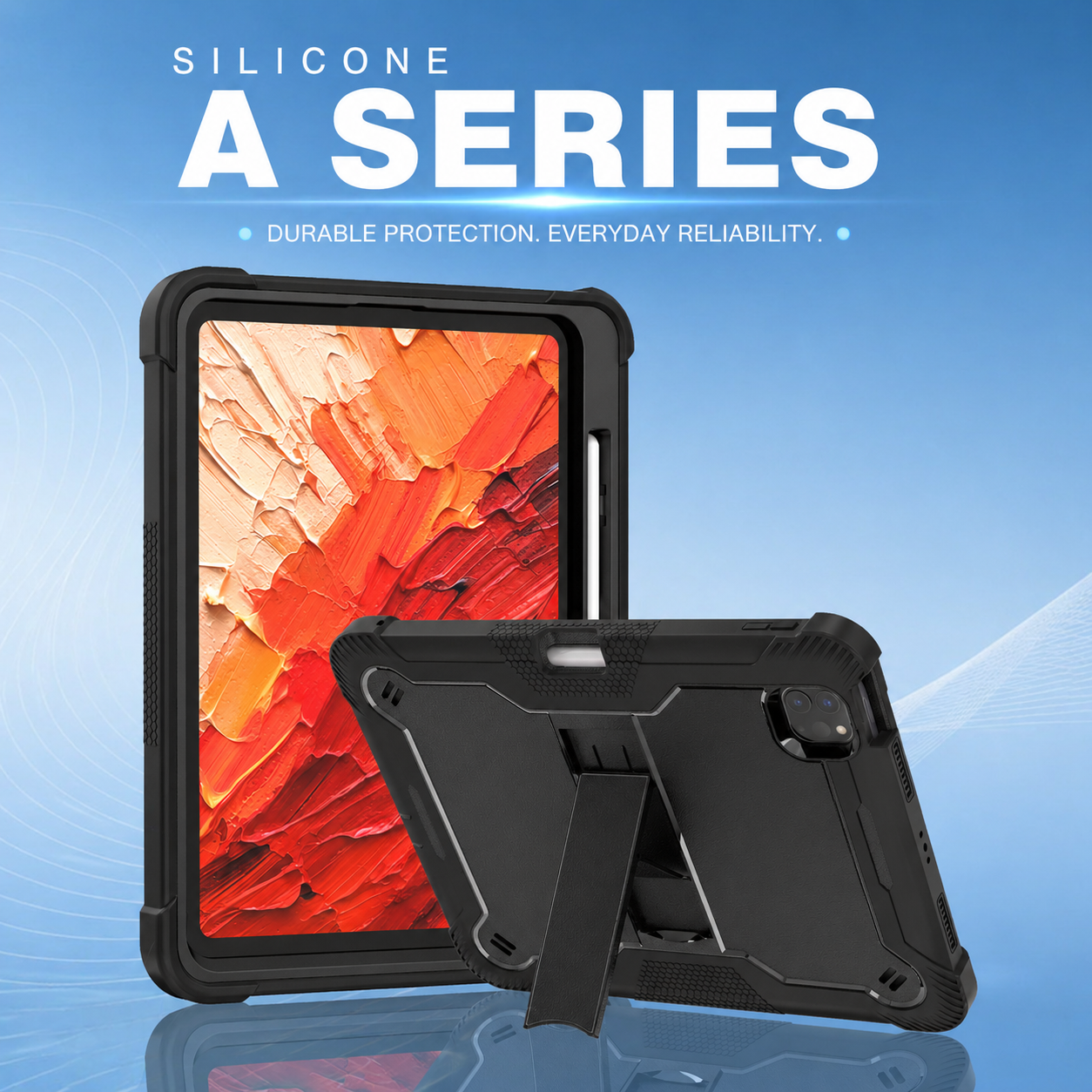
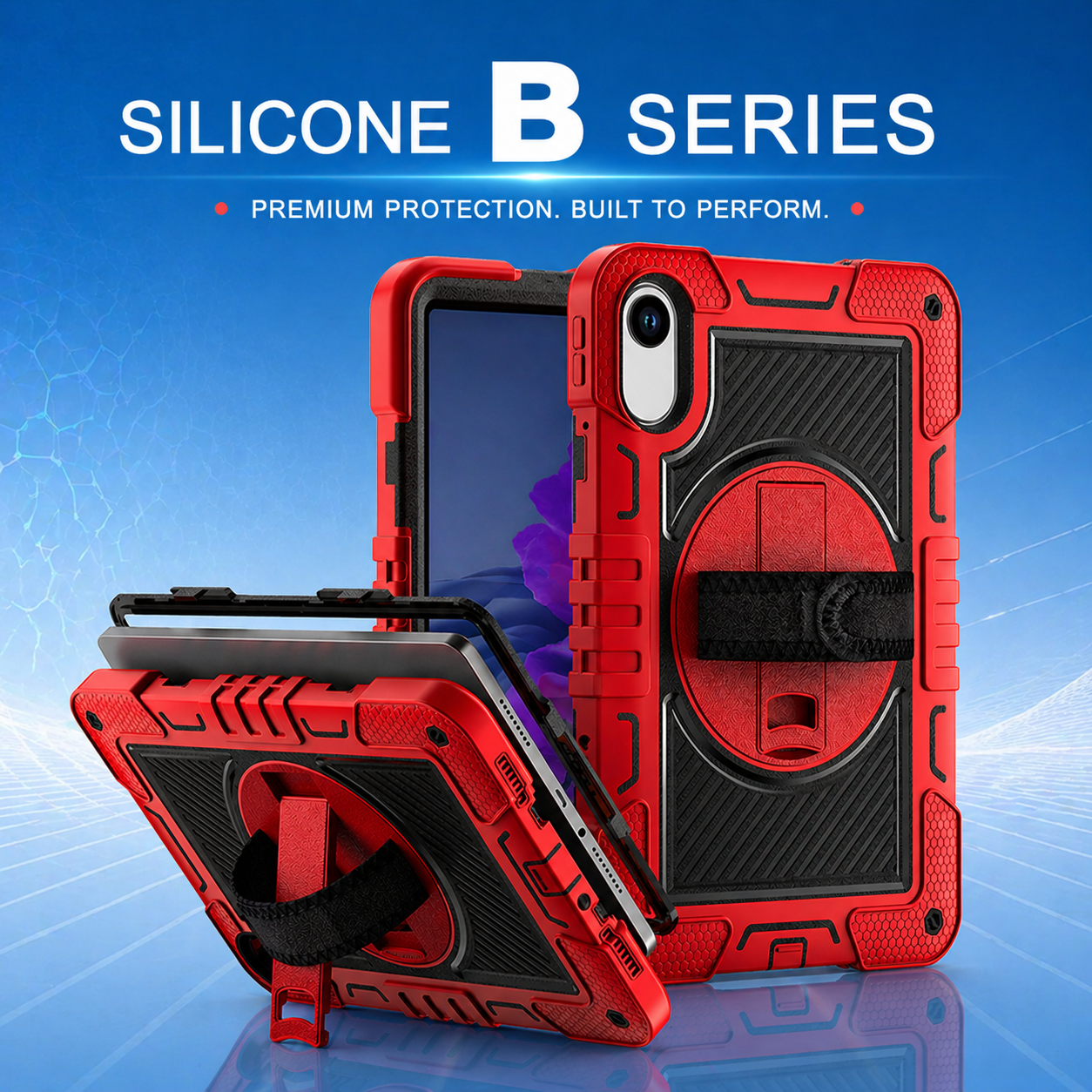
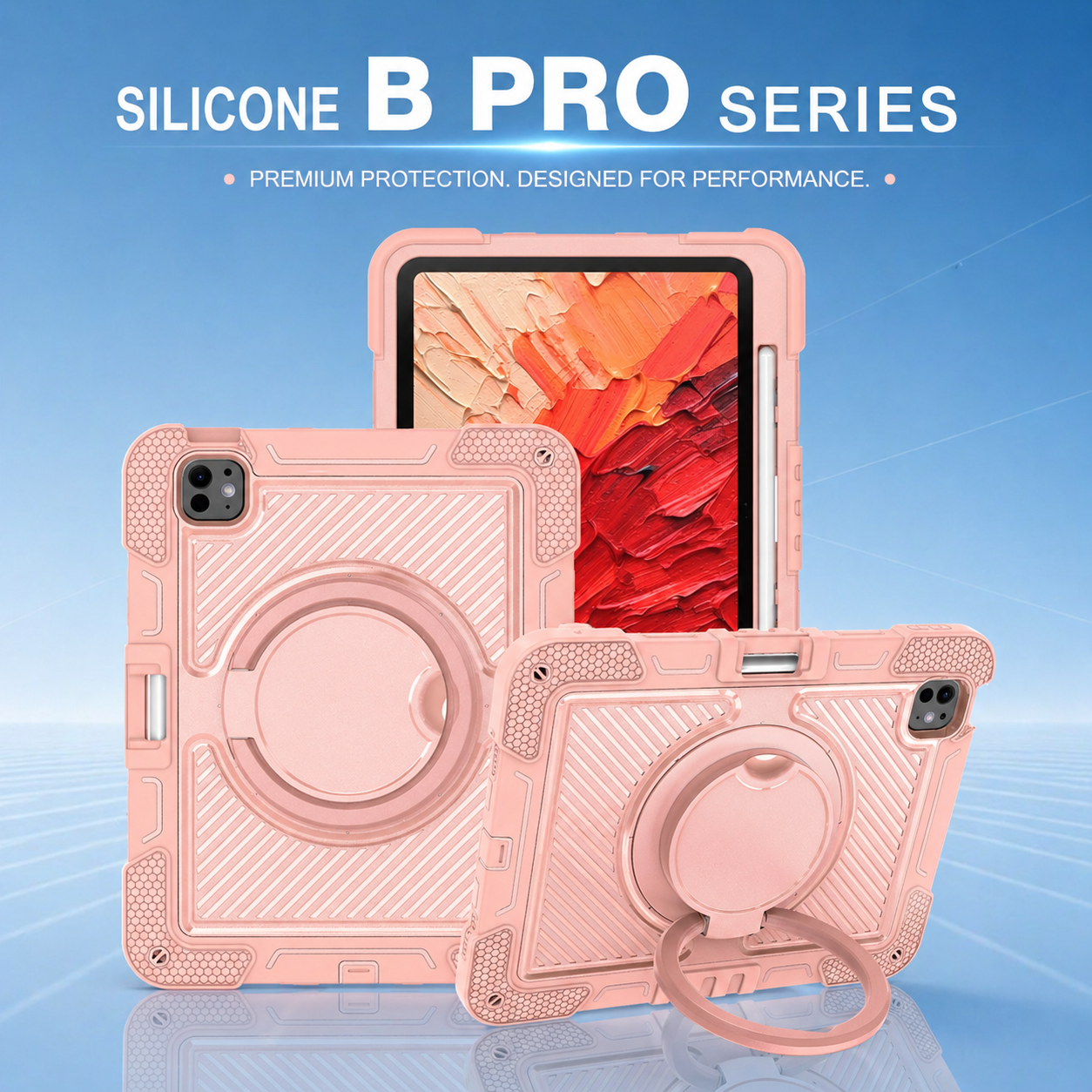
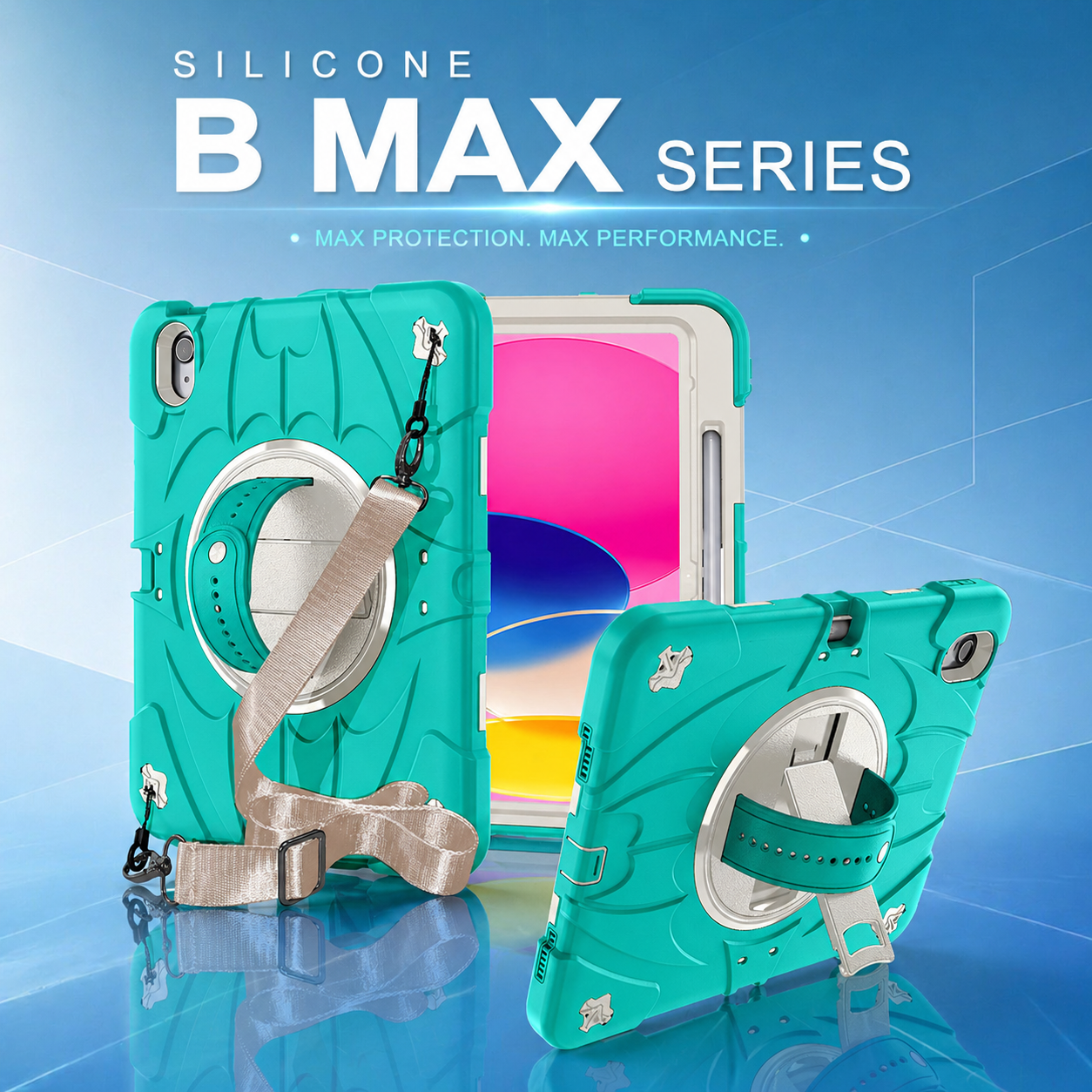
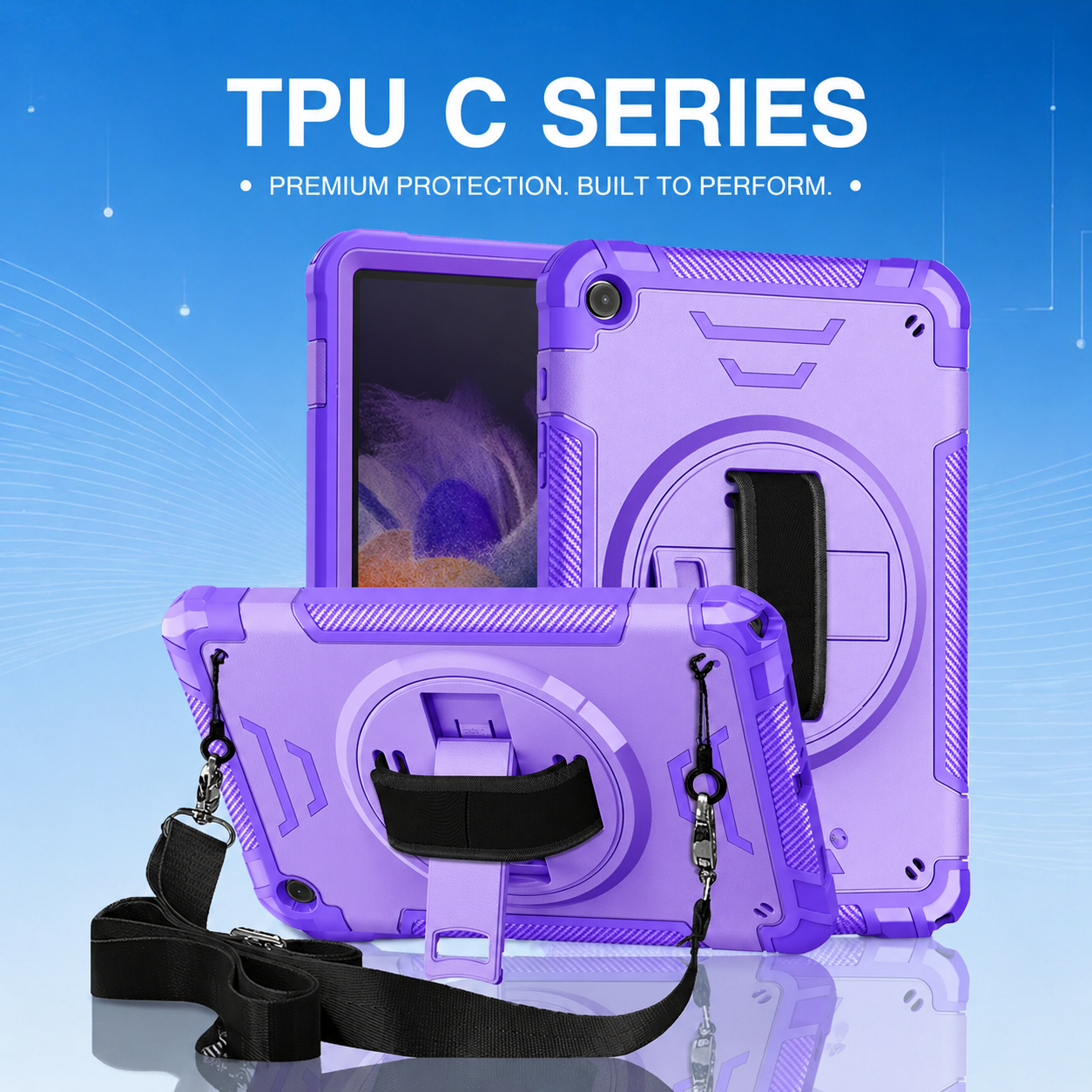
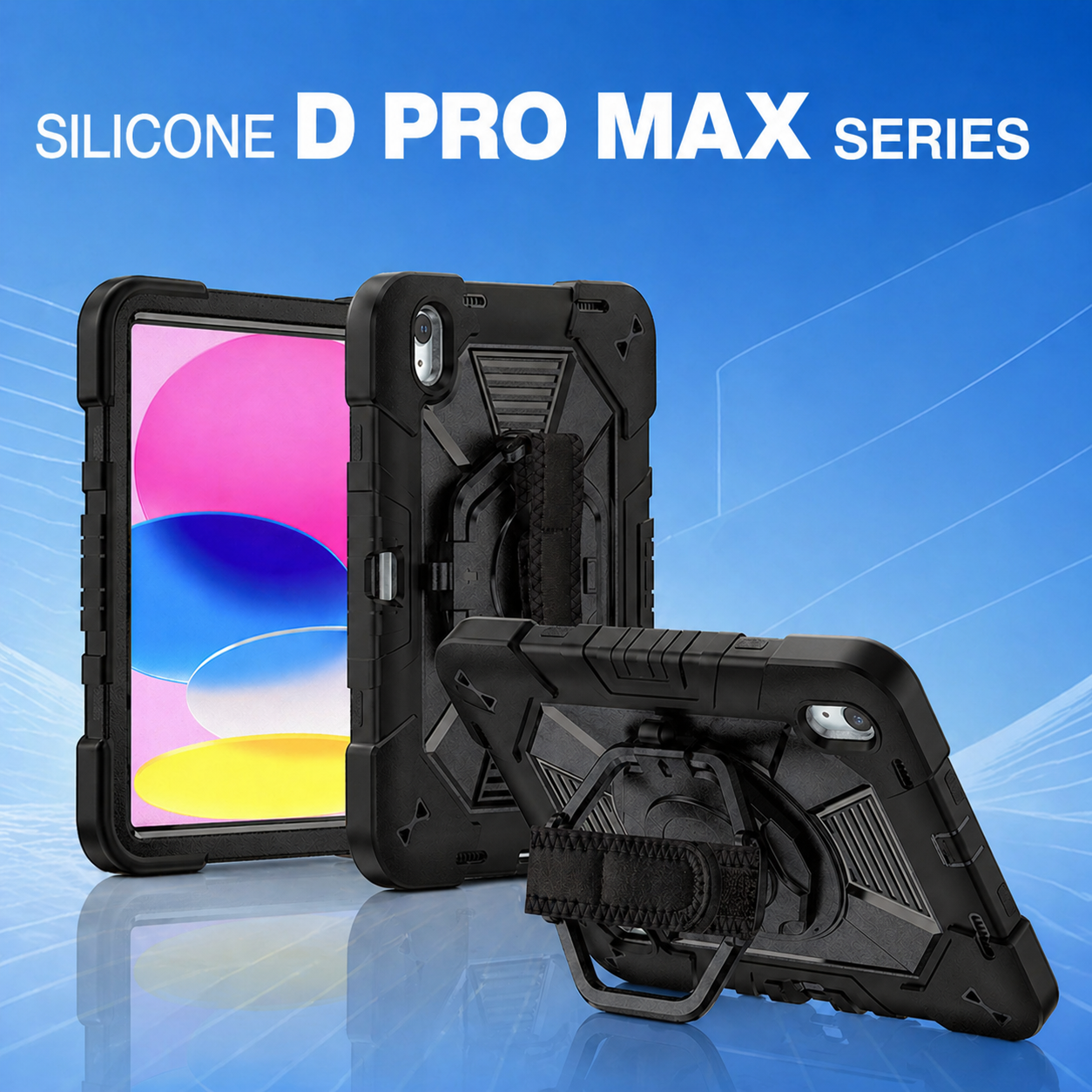
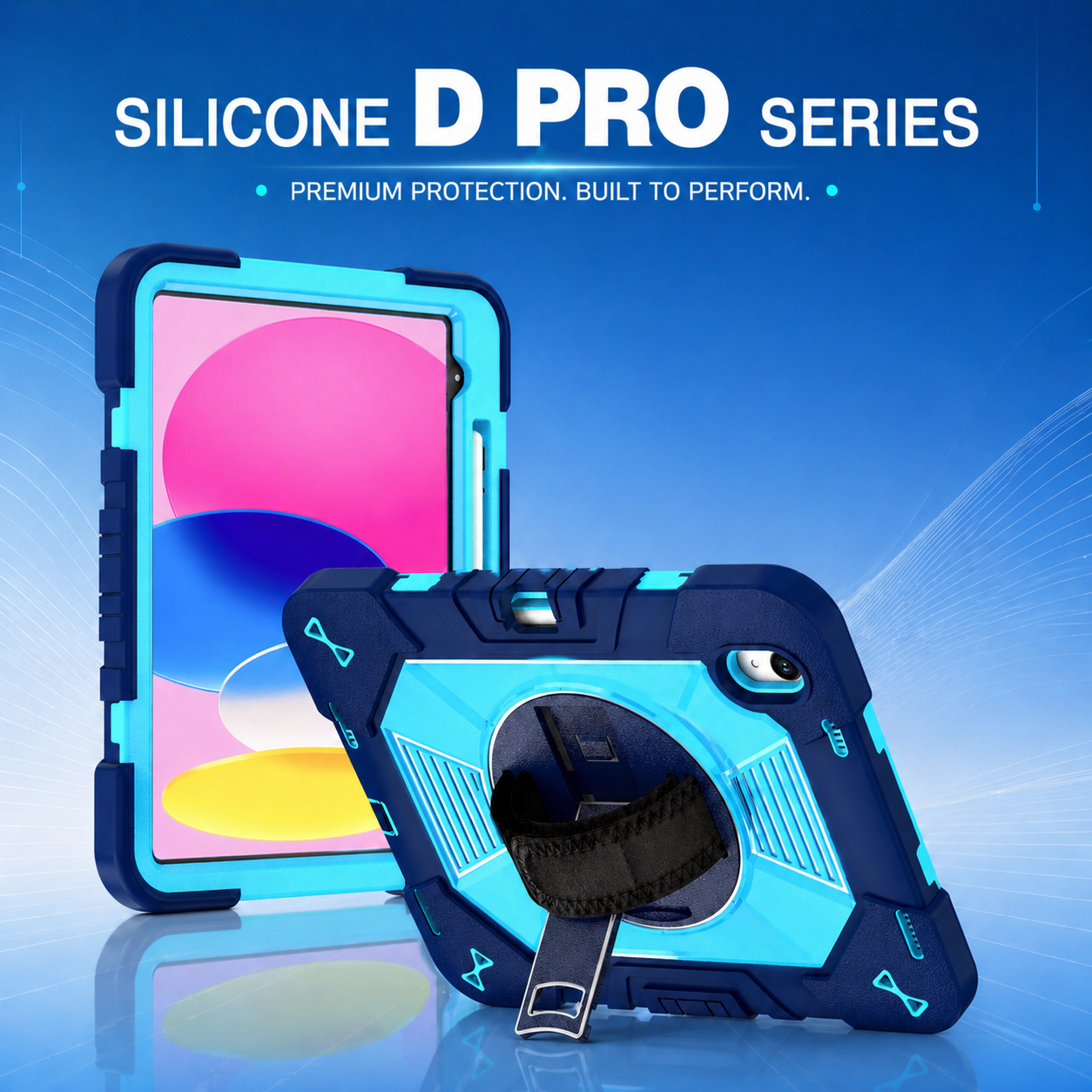
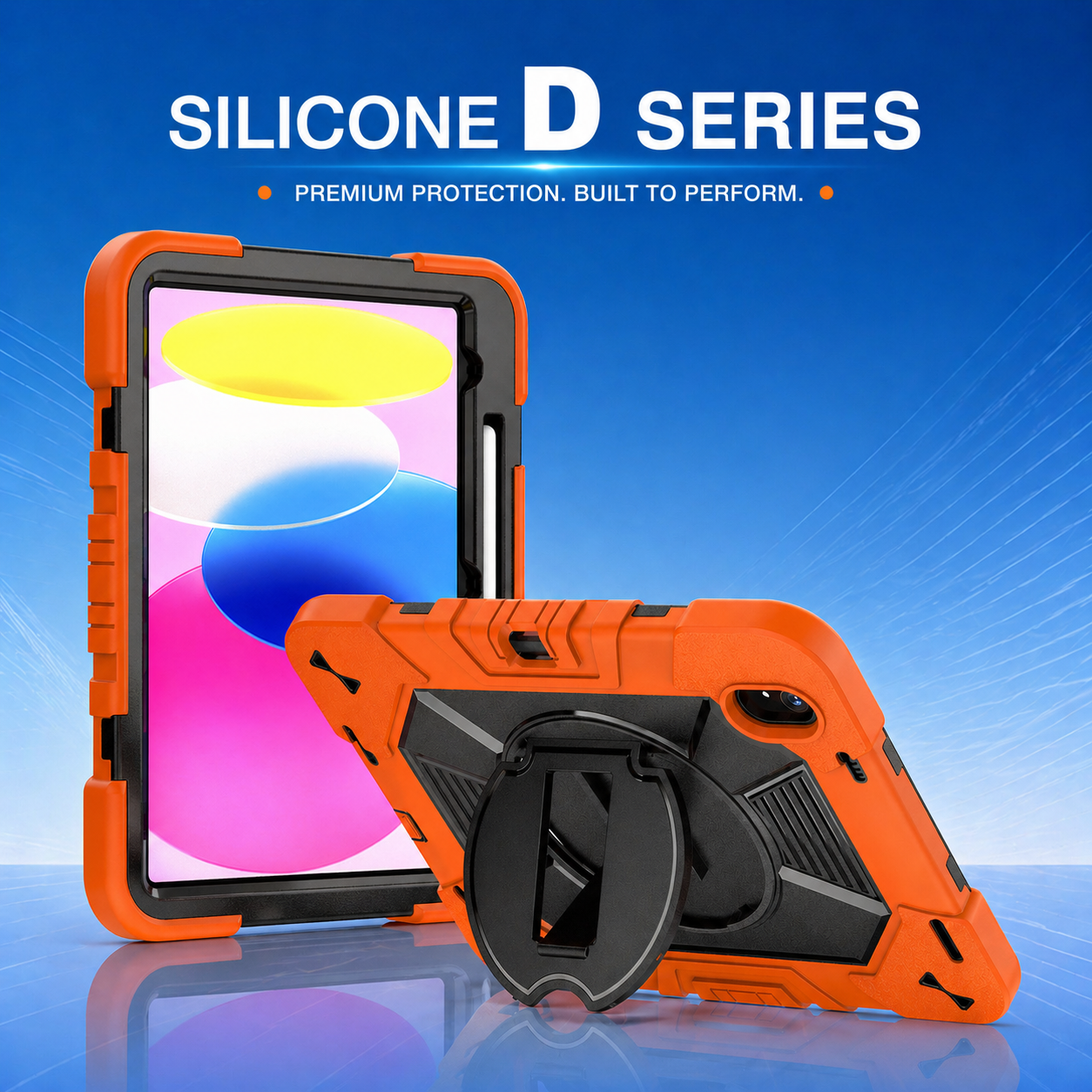

When sourcing a rugged tablet case for wholesale or enterprise use, many B2B buyers believe that price and appearance are the primary deciding factors. However, this mindset often leads to costly mistakes. In reality, choosing the wrong rugged tablet case can result in high return rates, poor user feedback, and damaged long-term business relationships.
This article explores the most common mistakes B2B buyers make—and how to avoid them.
1. Overlooking Real-World Usage Scenarios
One of the biggest mistakes is failing to consider how the rugged tablet case will actually be used. Different industries require different levels of protection.
For example:
Construction environments demand extreme durability and dust resistance
Educational settings require lightweight and child-safe designs
Logistics operations need portability and grip support
A generic rugged tablet case may not meet all these needs. B2B buyers should always match product specifications with actual application scenarios instead of relying on one-size-fits-all solutions.
2. Focusing Only on Price Instead of Value
Cost control is important, but choosing the cheapest rugged tablet case often leads to higher expenses in the long run. Low-cost products may use inferior materials that degrade quickly, resulting in frequent replacements and dissatisfied customers.
A high-quality rugged tablet case, although slightly more expensive upfront, provides:
Better durability
Lower return rates
Higher customer satisfaction
Stronger brand reputation
Smart buyers evaluate total lifecycle cost rather than just initial purchase price.
3. Ignoring Material and Structural Design
Many buyers fail to assess the internal structure of a rugged tablet case. True protection depends on multi-layer construction, not just thickness.
A reliable rugged tablet case should include:
Shock-absorbing inner layers (TPU or silicone)
Hard outer shell (polycarbonate)
Reinforced corners for impact resistance
Without these elements, even a bulky rugged tablet case may fail under impact.
4. Not Verifying Protection Certifications
Another critical mistake is trusting unverified “shockproof” claims. Professional buyers should always request proof of testing standards such as MIL-STD-810G.
A certified rugged tablet case ensures consistent performance under defined conditions, including drop height and impact angles. Without certification, product reliability becomes uncertain.
5. Underestimating Functional Features
Modern buyers expect more than just protection. A competitive rugged tablet case must include practical features that improve usability.
Important features include:
Built-in stand for hands-free viewing
Adjustable hand strap for secure handling
Pencil holder for stylus users
Rotating design for multi-angle usage
Ignoring these features can reduce product appeal and limit market competitiveness.
6. Choosing the Wrong Supplier
Even the best product design can fail if the supplier lacks experience or quality control. Many B2B buyers make the mistake of selecting suppliers based solely on pricing.
A reliable supplier should offer:
Stable production capacity
Strict quality inspection processes
Customization capabilities (OEM/ODM)
Clear communication and after-sales support
Partnering with the right manufacturer ensures consistent rugged tablet case quality and long-term cooperation success.
Conclusion
Avoiding these common mistakes can significantly improve sourcing efficiency and business outcomes. A well-selected rugged tablet case not only protects devices but also strengthens your brand’s credibility in the market.
For B2B buyers, the key is to think beyond price—focus on real-world performance, verified standards, and user-centric design. That’s how you turn a simple product into a competitive advantage.
📌 SEO Keywords
rugged tablet case, tablet case wholesale, shockproof tablet case, industrial tablet case, durable tablet case, protective tablet case






.png)
+86 13422271740
.png)
info@tongmeitech.com
.png)
No. 34, Mashe Section, Guihe Road, Lishui Town, Foshan, Guangdong, China