- 1
- BLACKL
- TABLETAPPLE iPad Mini 8NEW iPad A16(2025) iPad 10.9" 10th (2022) iPad 10.2" (7th/8th/9th) iPad Air 13" (M2/M3/M4)(2024/2025/2026)NEW iPad Air 11" (M2/M3/M4)(2024/2025/2026)NEW iPad Mini 8.3" (A7 Pro/6th Gen) iPad Pro13"(M4/M5)(2024/2025) iPad Pro11"(M4/M5)(2026) iPad 9.7" (5th/6th Gen) iPad Pro 12.9"(2018-2022) iPad Pro 11"(2018-2022) iPad 9.7"(2th/3th/4th) iPad Air 10.9"(4th/5th Gen) iPad Mini 7.9"(4th/5th Gen)SAMSUNG Galaxy Tab A11 Galaxy Tab A11 Plus Galaxy Tab S11 Galaxy Tab S12 PlusNEW Galaxy Tab S12 UltraNEW Galaxy Tab A9+ Galaxy Tab A9 Galaxy Tab A8 Galaxy Tab A7 Galaxy Tab A7 Lite Galaxy Tab S11 Ultra/S10 Ultra/S9 Ultra/S8 Ultra Galaxy Tab S10+/S9+/S9 FE+ Galaxy Tab S10Lite/S10 FE/S9 FE/S9 Galaxy Tab S8+/S7+/S7 FE Galaxy Tab S8/S7 Galaxy Tab S6 lite Galaxy Tab A10.1 Galaxy Tab A8.4 Galaxy Tab A8.0 Galaxy Tab S10 FE+LENOVO iDea tab 11/Tab K11 Gen 2 /Xiaoxin Pad 11 2025 Lenovo Tab K9 (Tab One) 2025 Lenovo Tab M10 10.1"(2025) Lenovo Tab M10 Plus 10.6" (3rd Gen) Lenovo Tab M10 HD 10.1" (3rd Gen) Lenovo K10/M10 Plus 10.3" (2nd Gen) Lenovo Tab M10 HD 10.1" (2nd Gen)XIAOMI Redmi Pad 2 9.7 InchNEW Xiaomi Pad8/8Pro 11.2" Redmi Pad2/Pad2.4G Xiaomi Pad 6/6 Pro 11" Redmi Pad 10.61" Redmi Pad Se 11" Redmi pad Se 4G 8.7" Xiaomi Pad7/7 Pro 11.2" Redmi Pad Pro/Xiaomi Poco Pad/Redmi Pad2 Pro 12.1HUAWEI Huawei Matepad Se 10.4" Huawei Matepad 11" Huawei Matepad 11.5" Huawei Matepad SE 11" Huawei Matepad T8 8" Huawei Matepad T10 9.7"
- CATEGORIES

Industrial Tablet Protection Trends Supporting Logistics Growth
As warehousing and logistics operations continue to embrace digital transformation, industrial tablets have become essential tools for managing inventory, tracking shipments, coordinating workflows, and improving operational visibility. Industry analysts predict that industrial tablet adoption across warehousing and logistics environments will exceed 65% by 2026, driven by increasing demand for mobility, automation, and real-time data access.
While much attention is focused on tablet performance, connectivity, and software capabilities, device protection has become an equally important consideration. As organizations deploy larger fleets of industrial tablets, protecting these valuable assets is critical for maintaining productivity, minimizing downtime, and maximizing return on investment.
Today, protective accessories are no longer viewed as optional add-ons. Instead, they are considered an essential part of enterprise mobility strategies that support long-term logistics growth.
Why Device Protection Matters More Than Ever
Warehouses, distribution centers, transportation hubs, and manufacturing facilities present challenging environments for mobile devices.
Industrial tablets are routinely exposed to:
Accidental drops
Forklift vibrations
Dust and debris
Moisture exposure
Temperature fluctuations
Repetitive daily handling
Even the most durable devices can experience damage when used continuously in demanding conditions.
A damaged tablet can lead to:
Operational disruptions
Delayed order processing
Increased maintenance costs
Lost productivity
Equipment replacement expenses
As organizations scale their digital operations, minimizing these risks becomes a top priority.
This growing focus on asset protection is driving demand for advanced protective solutions across the logistics industry.
The Rise of Rugged Device Ecosystems
The modern logistics sector increasingly relies on rugged technology ecosystems rather than standalone devices.
Industrial tablets are now commonly paired with:
Protective cases
Hand straps
Shoulder straps
Vehicle mounts
Screen protectors
Charging stations
These accessories help ensure devices remain operational throughout long work shifts.
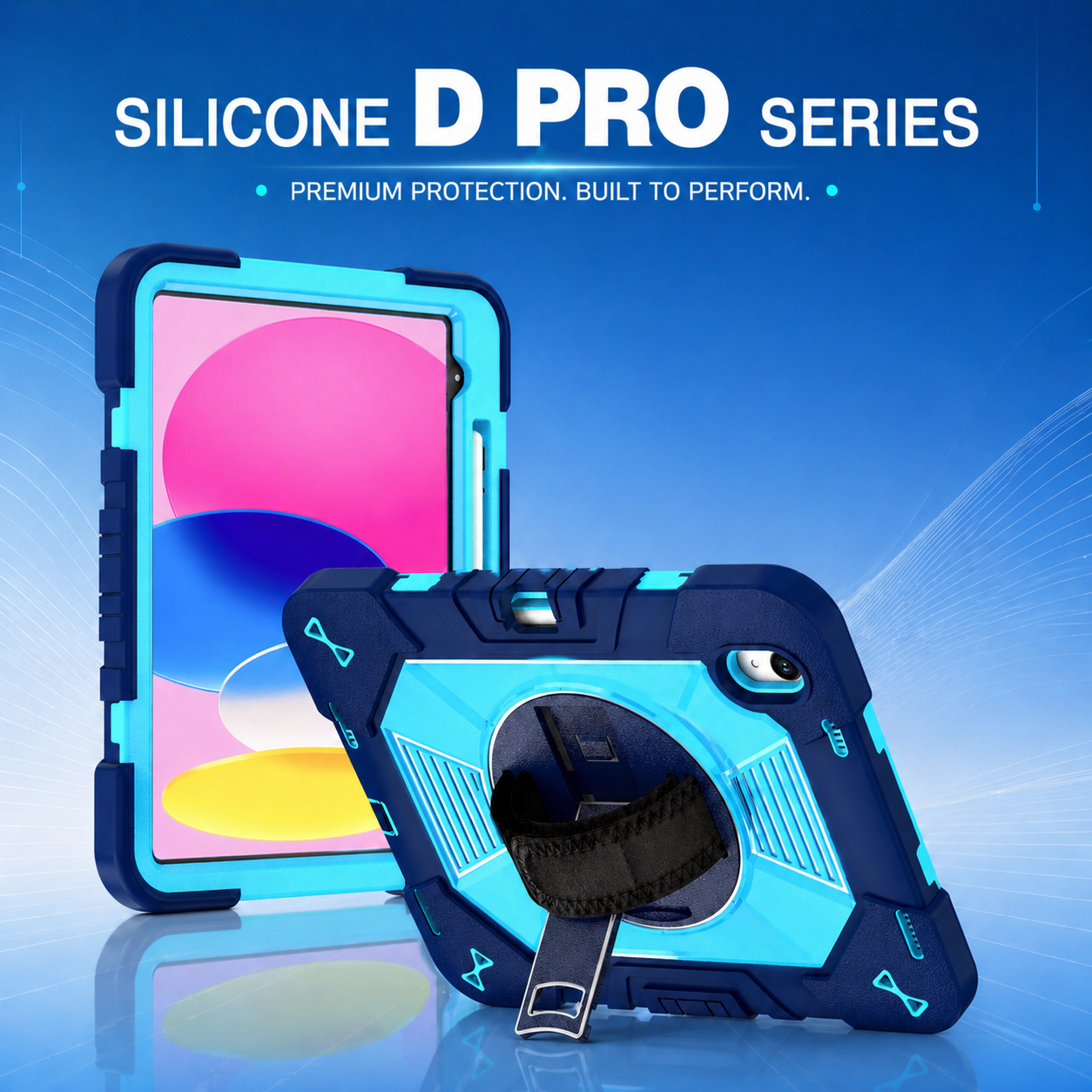
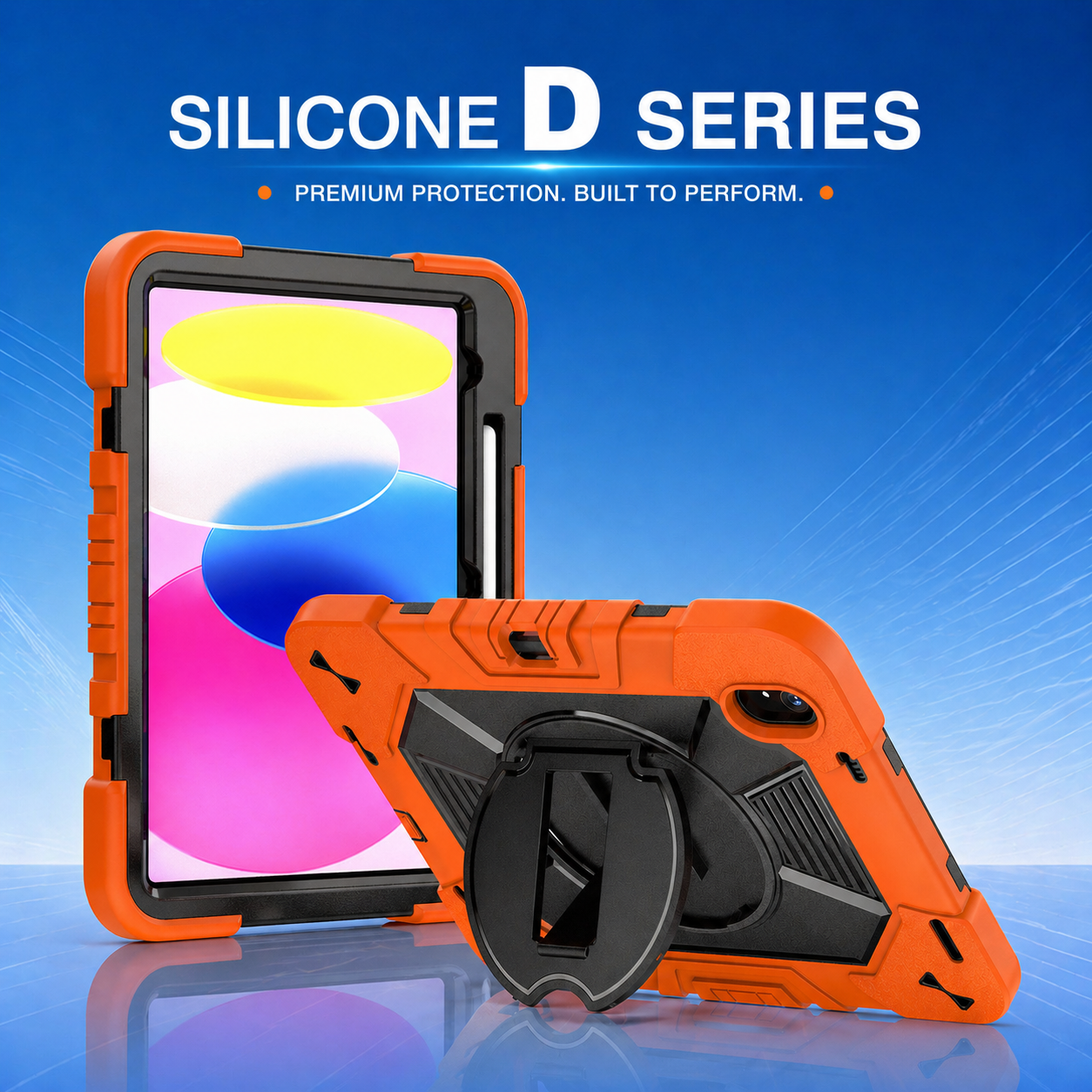
A rugged tablet case has become one of the most widely adopted protective solutions because it provides enhanced impact resistance while maintaining device functionality.
Many logistics companies now include rugged protection as part of their standard tablet deployment strategy rather than purchasing accessories only after damage occurs.
This proactive approach reduces long-term ownership costs and improves equipment reliability.
How Protective Cases Reduce Total Cost of Ownership
When evaluating industrial tablet investments, organizations increasingly focus on Total Cost of Ownership (TCO) rather than initial hardware costs alone.
A tablet that requires frequent repairs or replacement may ultimately cost far more than a device protected from day one.
Protective accessories help reduce:
Repair expenses
Device replacement frequency
Operational downtime
Productivity losses
IT support workload
By extending hardware lifespan, organizations can maximize the value of their technology investments.
This is particularly important for enterprises managing hundreds or even thousands of tablets across multiple facilities.
The Growing Popularity of TPU Protection
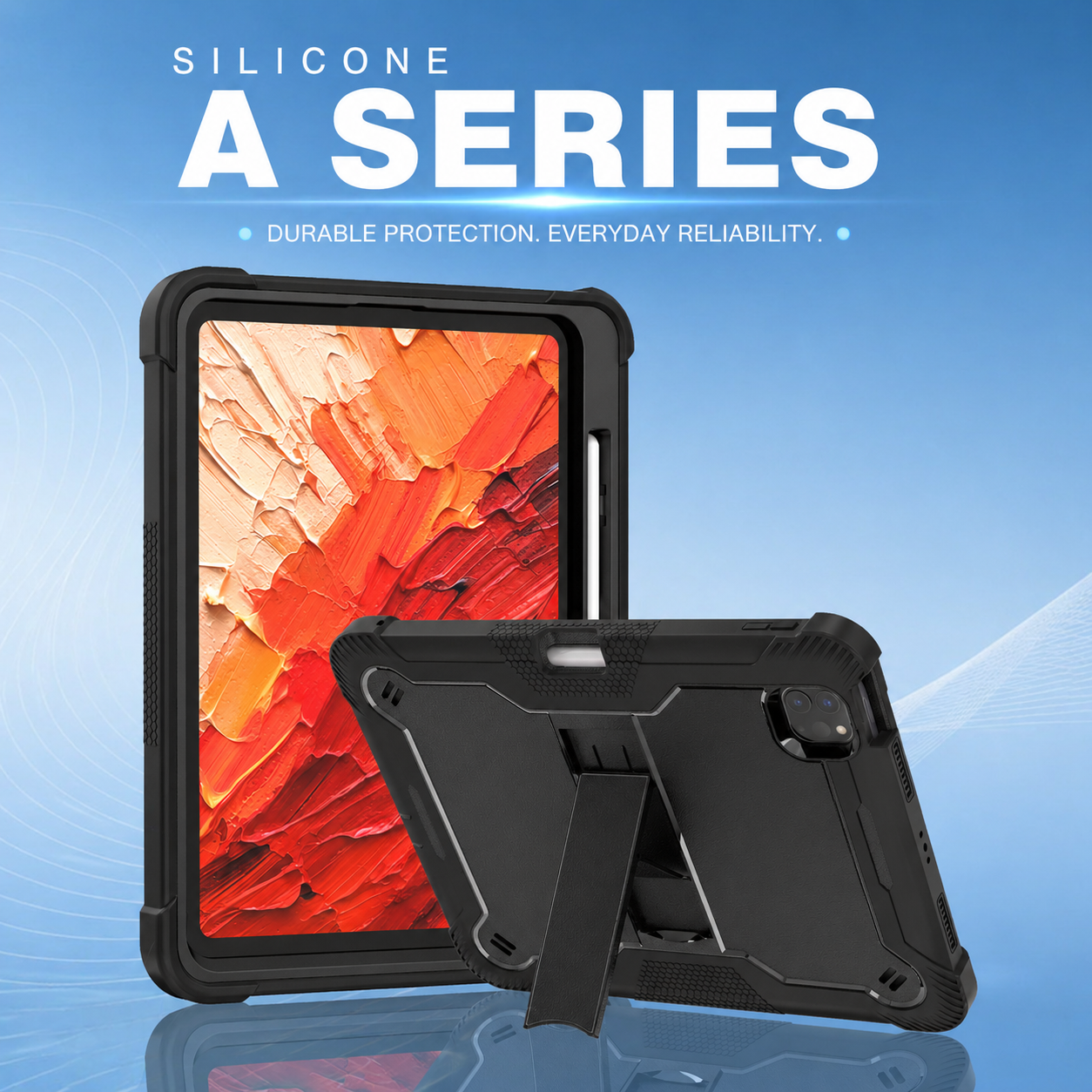
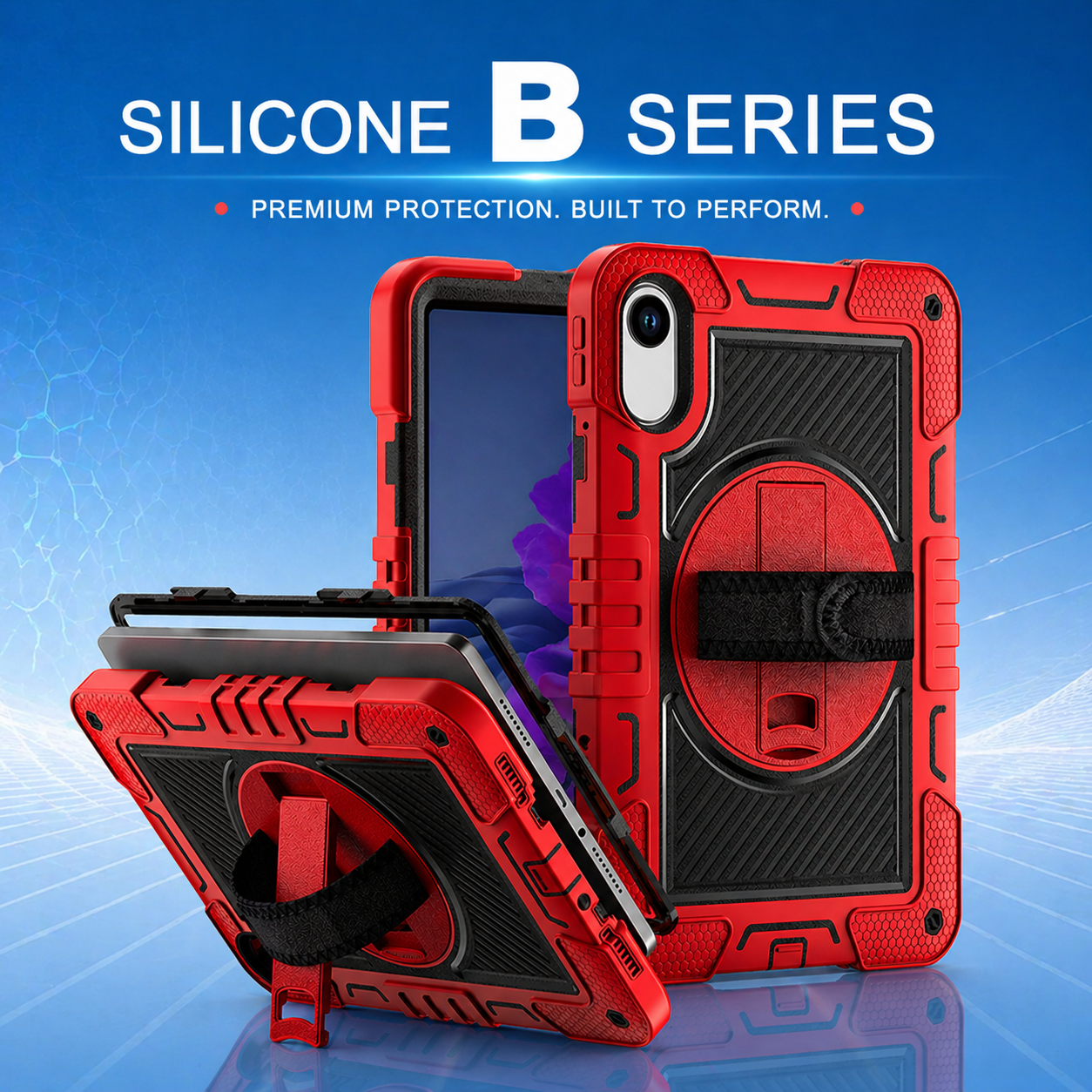
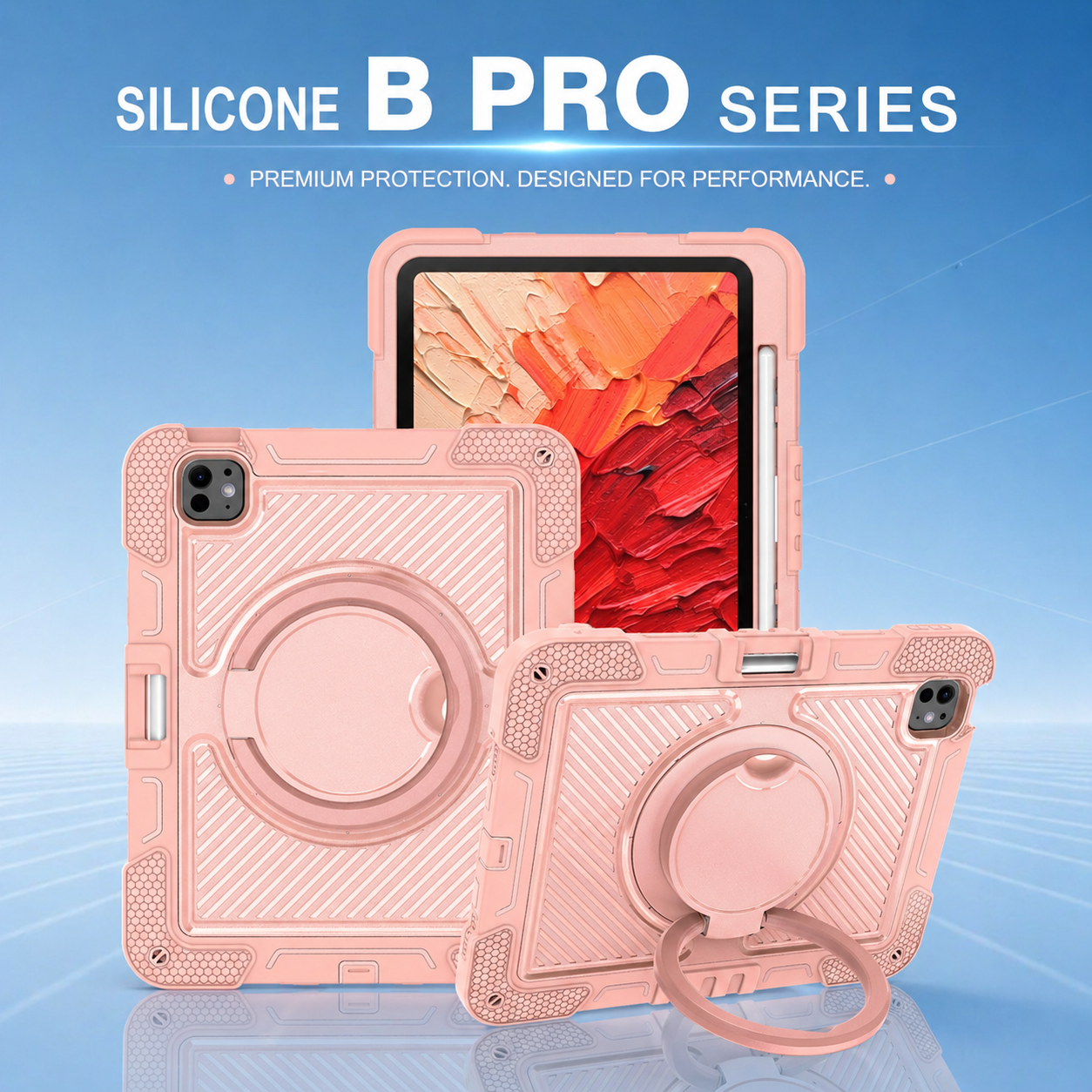
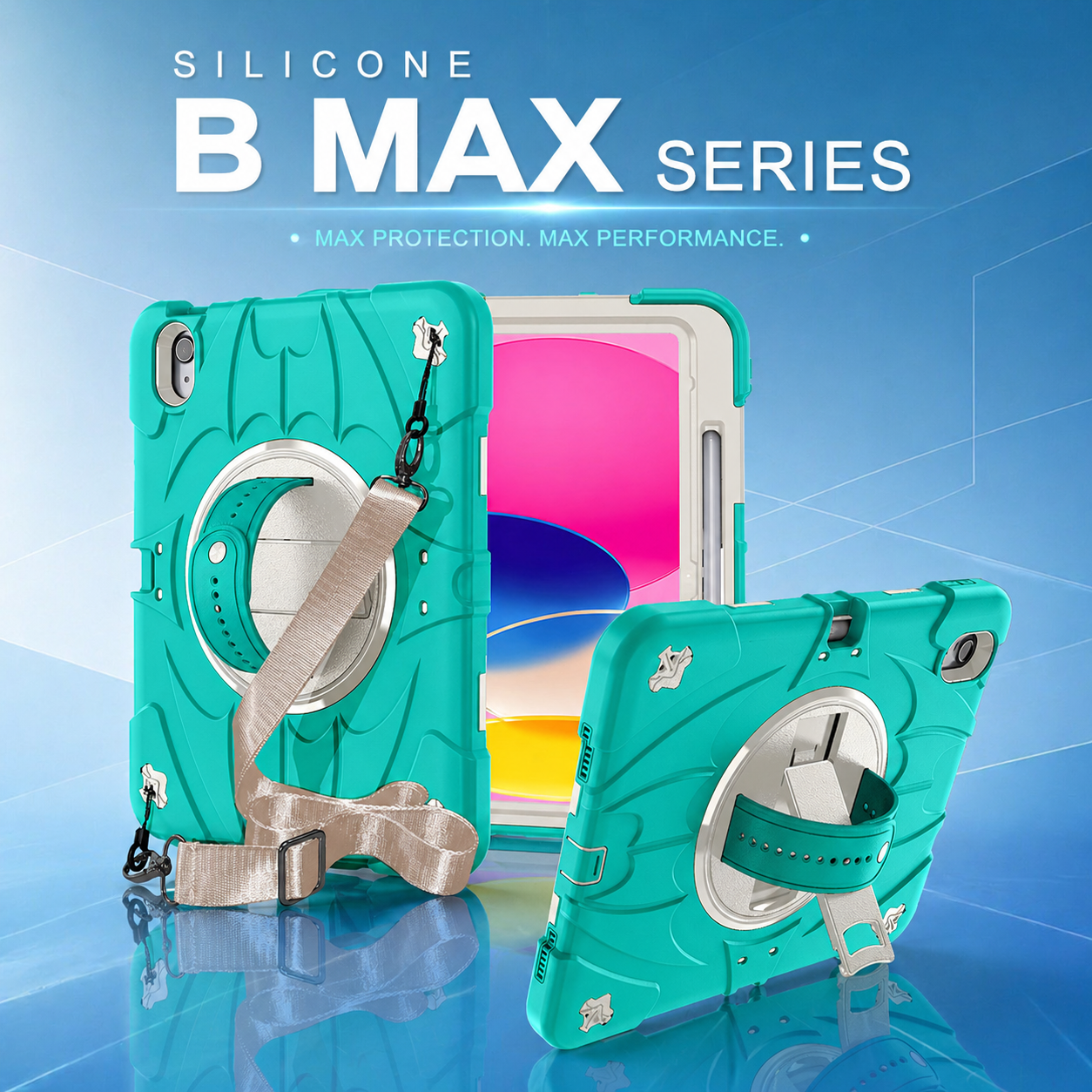
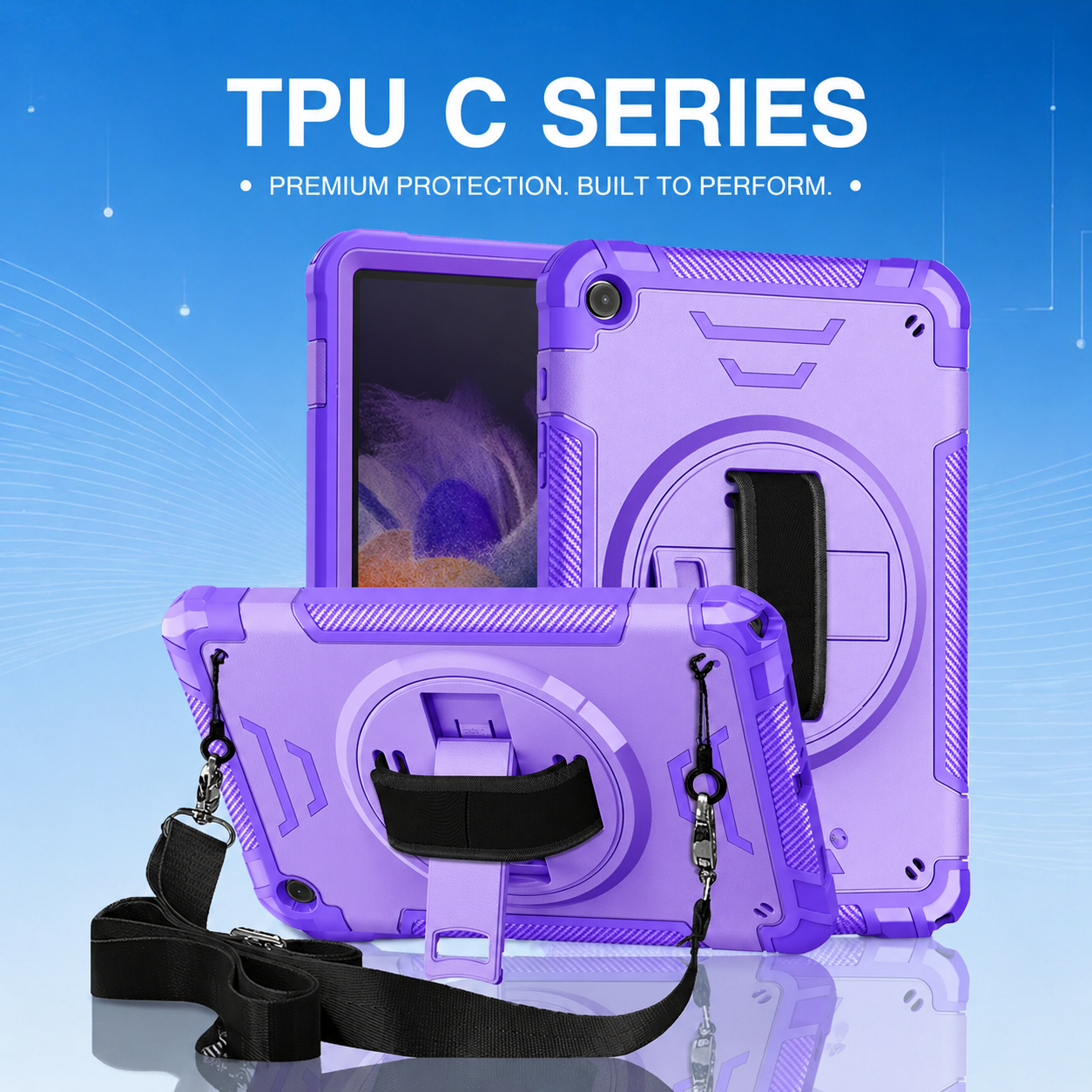
One of the fastest-growing trends in industrial tablet protection is the adoption of the TPU tablet case.
TPU (Thermoplastic Polyurethane) combines flexibility and durability, making it highly effective for industrial environments.
Benefits of TPU protection include:
Superior Shock Absorption
TPU materials absorb impact energy during accidental drops, helping protect devices from damage.
Lightweight Design
Unlike some bulky protective solutions, TPU cases provide excellent protection while maintaining portability.
Improved Grip
The non-slip texture of TPU materials helps reduce accidental drops during daily use.
Long-Term Durability
TPU is resistant to wear, stretching, and cracking, making it suitable for demanding logistics operations.
Because of these advantages, TPU-based protection has become increasingly popular among warehouse operators and logistics providers.
Demand for Enhanced Impact Protection
As tablets become mission-critical business tools, organizations are seeking even greater levels of impact protection.
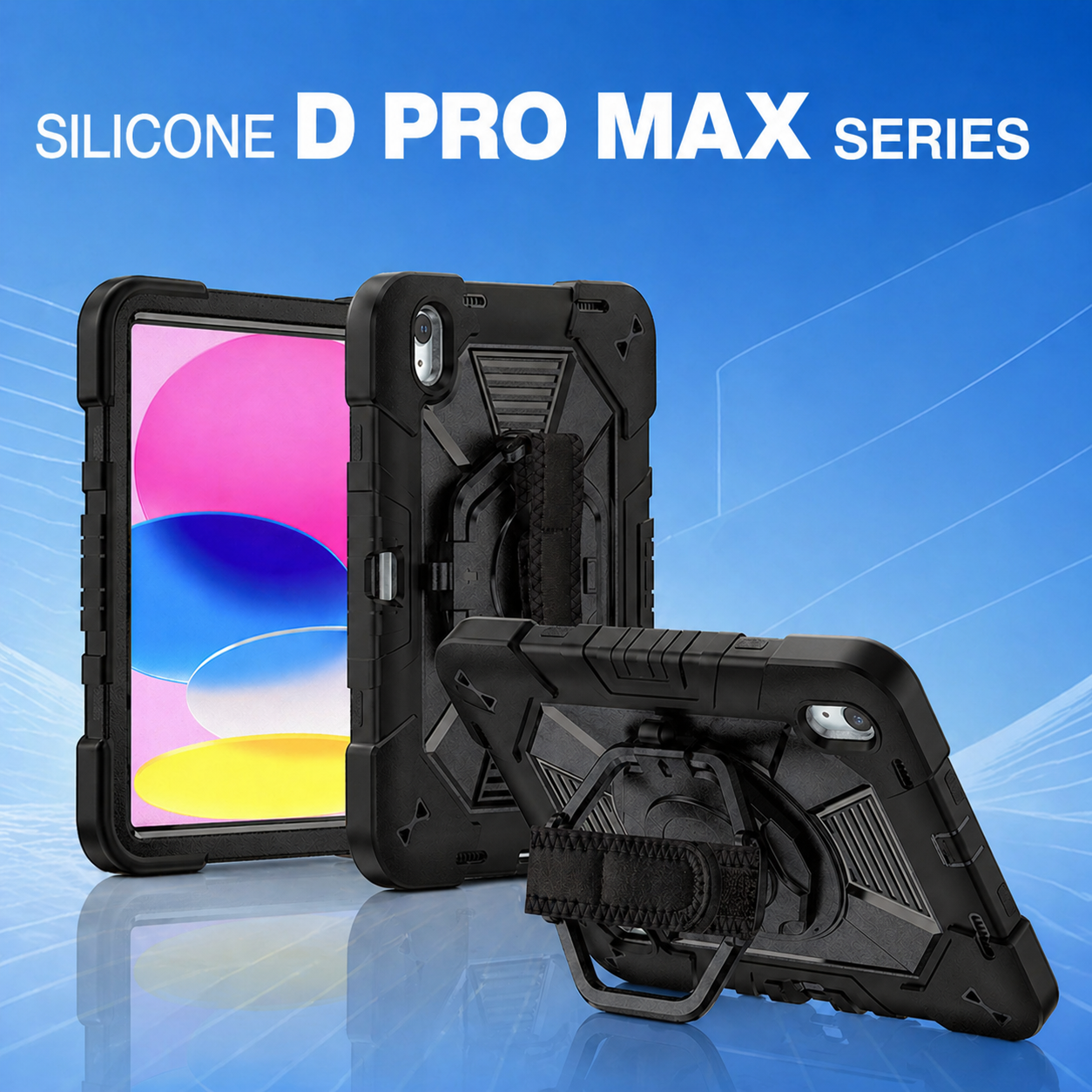
This trend has contributed to growing demand for the shockproof iPad tablet case and similar solutions designed to withstand repeated impacts.
Modern shockproof designs often feature:
Reinforced corners
Air-cushion technology
Multi-layer construction
Raised screen bezels
Enhanced drop protection
These features significantly reduce the likelihood of device failure following accidental drops.
For logistics organizations where downtime directly affects operational performance, shockproof protection provides valuable insurance against unexpected disruptions.
Supporting Workforce Productivity
Protective accessories do more than prevent hardware damage—they also contribute to employee productivity.
Workers can operate more confidently when devices are protected against common workplace hazards.
This confidence encourages greater use of mobile workflows and reduces concerns about accidental equipment damage.
Protected devices are also more likely to remain operational throughout demanding work shifts, minimizing interruptions and helping employees stay focused on their tasks.
As mobile technology becomes increasingly integrated into logistics operations, maintaining uninterrupted access to information is essential.
Protection and Digital Transformation
The logistics industry is investing heavily in digital transformation initiatives, including:
Warehouse automation
Cloud-based management systems
Artificial intelligence
Internet of Things (IoT) integration
Real-time analytics platforms
Industrial tablets serve as the primary interface connecting employees to these technologies.
Without adequate protection, device failures can interrupt access to critical business systems and reduce the effectiveness of digital transformation investments.
Protective accessories help ensure that organizations can fully realize the benefits of their technology deployments while minimizing operational risk.
Future Protection Trends
Looking ahead to 2026 and beyond, several trends are expected to shape the future of industrial tablet protection:
Smarter Materials
Manufacturers are developing advanced materials that offer improved impact resistance while reducing weight.
Integrated Ergonomics
Protective solutions increasingly include hand straps, rotating stands, and adjustable viewing options to improve usability.
Sustainability
Eco-friendly materials and recyclable components are becoming more important as organizations pursue sustainability goals.
Industry-Specific Designs
Customized protective solutions tailored to warehousing, transportation, healthcare, and field service environments are expected to grow in popularity.
These innovations will further improve device reliability while supporting evolving operational requirements.
Conclusion
As industrial tablet adoption continues accelerating across warehousing and logistics operations, device protection is becoming a strategic priority rather than a secondary consideration.
Organizations that invest in solutions such as a TPU tablet case, shockproof iPad tablet case, and rugged tablet case can reduce downtime, extend hardware lifespan, and improve workforce productivity.
With industrial tablet penetration expected to exceed 65% by 2026, protective accessories will play a critical role in supporting logistics growth, enabling organizations to maximize technology investments while maintaining reliable and efficient operations.
The future of logistics depends not only on advanced software and connected devices but also on the protection strategies that keep those devices operational in demanding real-world environments.





.png)
+86 13422271740
.png)
info@tongmeitech.com
.png)
No. 34, Mashe Section, Guihe Road, Lishui Town, Foshan, Guangdong, China