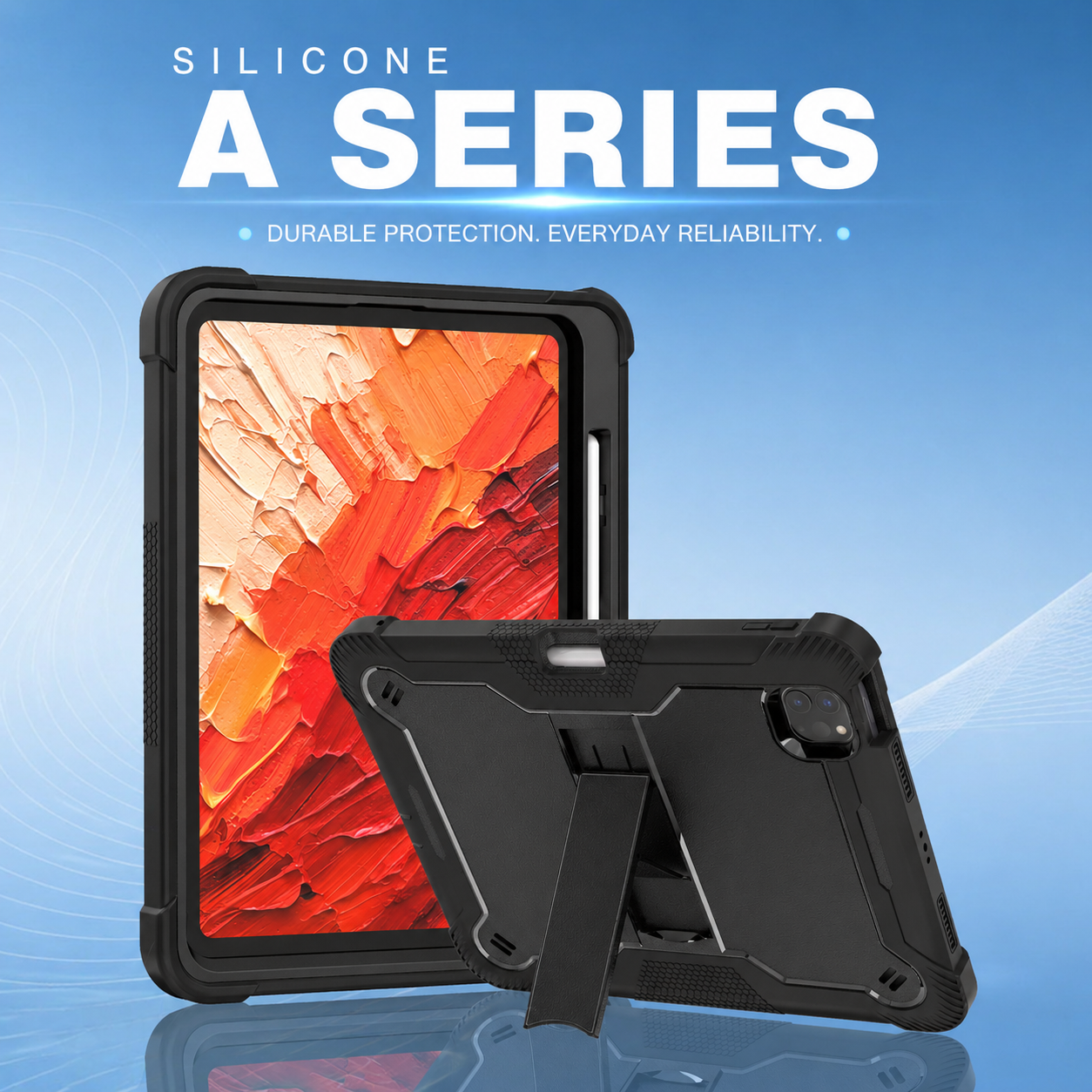
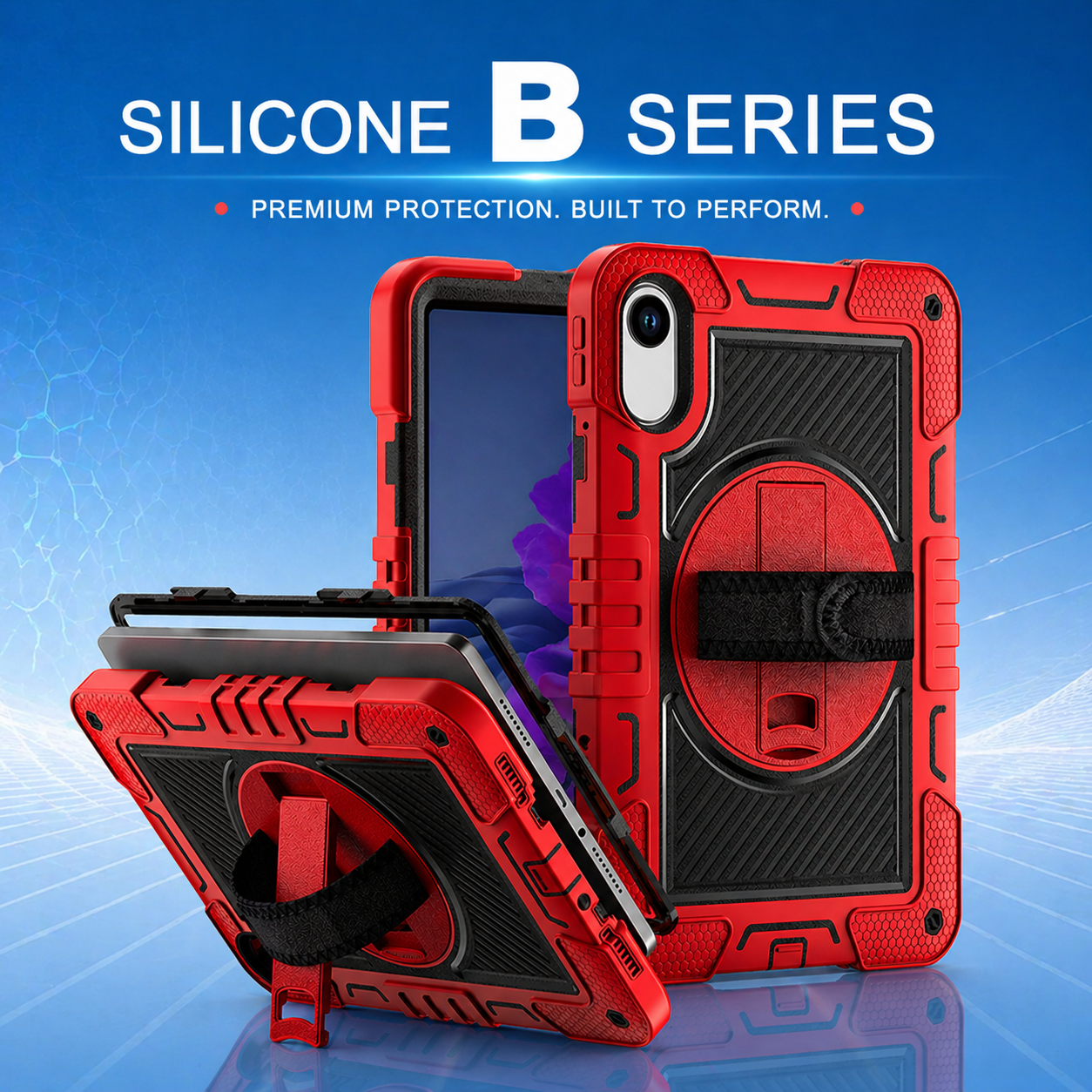

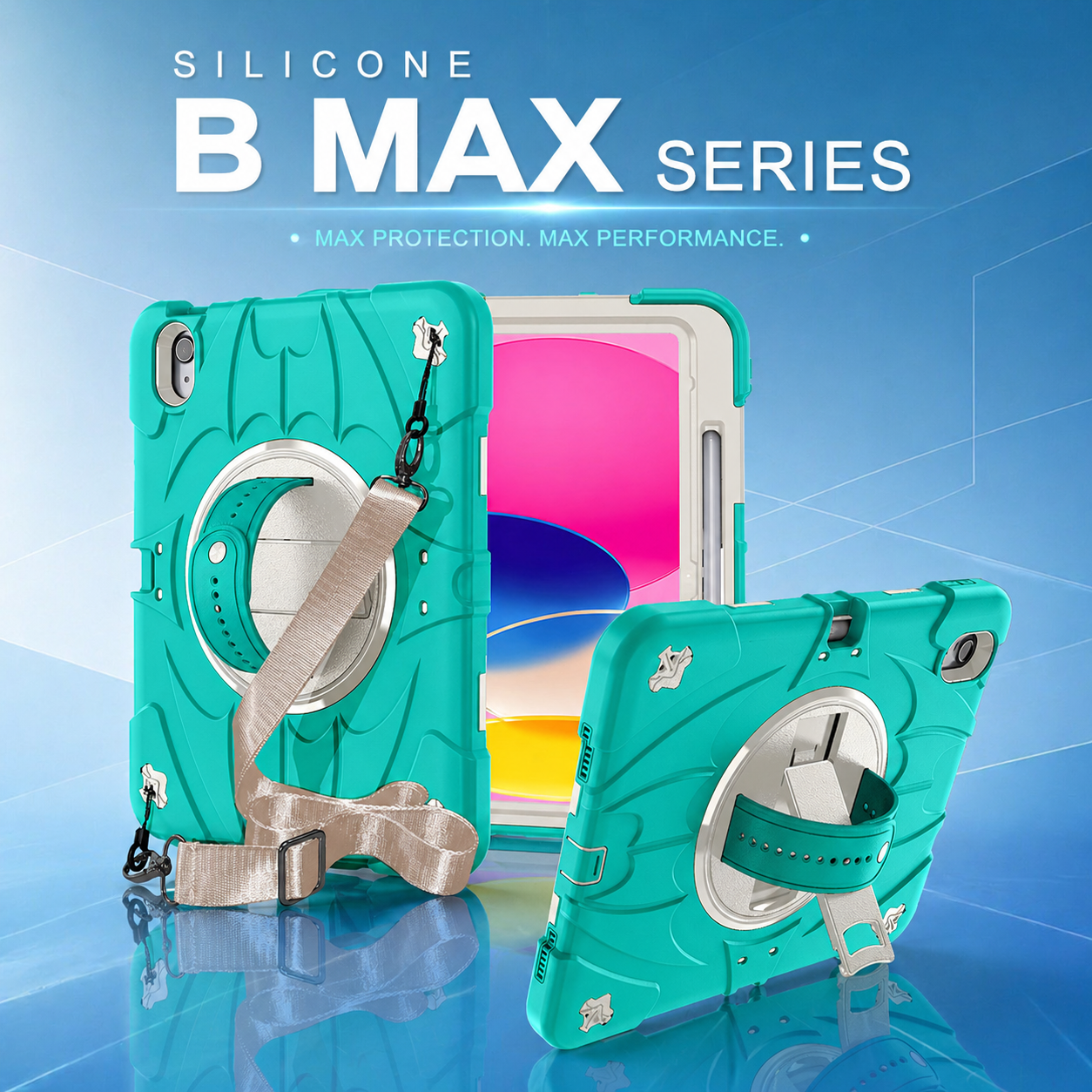
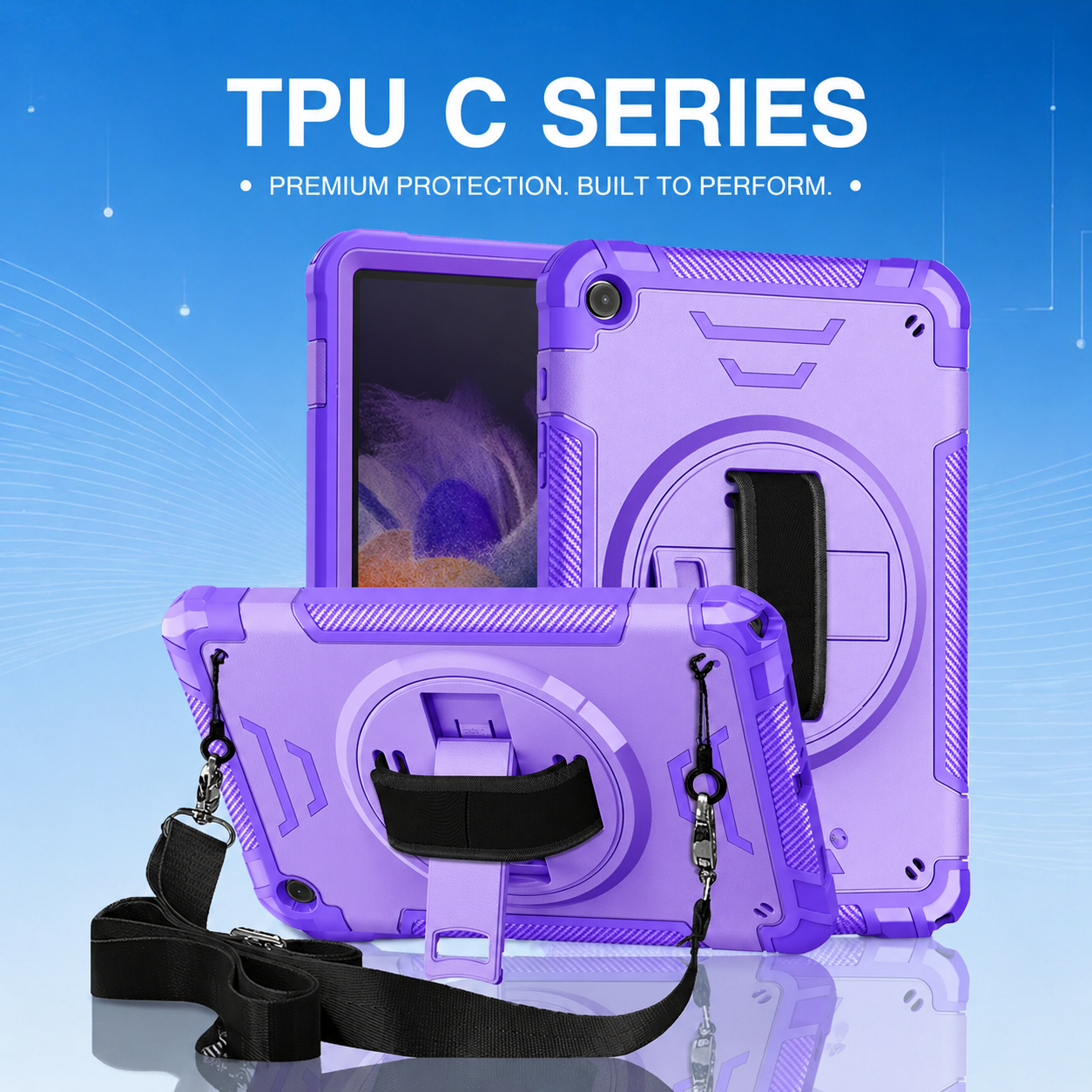
Tablet Case Factory Quality Control: What Enterprise Buyers Should Verify
2026-07-16
Consistent tablet case quality requires controlled materials, documented specifications, reliable testing, traceable production, and disciplined corrective action. This article outlines the quality-control evidence enterprise buyers should review from incoming inspection through final shipment and post-delivery support.
How to Compare Tablet Case Materials and Protection Structures for B2B Projects
2026-07-16
Tablet case performance depends on the relationship between material selection, structural design, and the real deployment environment. This guide helps B2B buyers compare TPU, polycarbonate, silicone, layered construction, full-body protection, kickstands, straps, and test methods before approving a rugged design.
How to Evaluate OEM and ODM Capabilities in a Tablet Case Manufacturer
2026-07-16
OEM and ODM claims can mean very different things from one factory to another. This article gives B2B buyers a practical framework for assessing design resources, tooling ownership, customization depth, intellectual property controls, validation processes, and production scale-up before committing to a tablet case program.
What B2B Buyers Should Know Before Choosing a Tablet Case Factory
2026-07-16
Selecting a tablet case factory is a strategic sourcing decision, not simply a price comparison. B2B buyers must evaluate engineering capability, material knowledge, tooling control, quality systems, production capacity, customization support, and long-term supply reliability. This guide explains the questions procurement teams should ask before approving a manufacturing partner.
Scaling Rugged Tablet Case Production for Enterprise and Industrial Deployments
2026-07-15
Enterprise and industrial tablet deployments require more than molding capacity. This article explains how a rugged case factory coordinates demand forecasts, tooling, materials, assembly variants, branding, quality gates, logistics, engineering changes, and after-sales parts. The result is a scalable production program that supports healthcare, warehouse, field, and other high-volume device rollouts.
Rugged Tablet Case Quality Control: From Pilot Run to Drop-Test Approval
2026-07-15
A successful tool trial is only the beginning of quality assurance. This article explains how rugged tablet case factories convert approved samples into measurable standards, control incoming materials, lock molding parameters, verify multi-layer assembly, test functional accessories, run drop validation, approve pilot production, and maintain traceability across every mass-production shipment.
Choosing PC, TPU, and Silicone for Multi-Layer Rugged Tablet Cases
2026-07-15
Rugged tablet cases often combine polycarbonate, TPU, and silicone because each material solves a different engineering problem. This guide compares their structural, impact, tactile, thermal, chemical, and manufacturing characteristics. It also explains how layered architectures, material compatibility, molding controls, bonding methods, and real-use validation determine whether a protective case performs consistently after mass production.
Rugged Tablet Case Mold Design: DFM Rules That Prevent Production Failure
2026-07-15
Production-ready rugged cases begin with disciplined design for manufacturing. This article explains how device data, parting lines, wall thickness, ribs, draft, gates, cooling, ejection, flexible bumpers, and functional accessories must be engineered together. It shows how careful DFM reduces mold changes, improves cycle stability, protects device fit, and prevents expensive problems during scale-up.
+86 13422271740
info@tongmeitech.com
No. 34, Mashe Section, Guihe Road, Lishui Town, Foshan, Guangdong, China